Monsoon Pet Health Checklist: Preventing Fungal Infections & Parasites – monsoon pet skin infection
Rainy weather might bring cooler breezes, but atmospheric dampness creates an immediate threat for your furry companions. A sudden surge in monsoon pet skin infection cases leaves dogs and cats scratching relentlessly. Following a complete monsoon pet health checklist is essential for preventing fungal infections and parasites during wet months. Rain traps dense moisture right against your animal’s coat, turning soft fur into a muggy breeding zone for yeast, bacteria, and microscopic pests.
Table of Contents
- 1. Why Rain and Humidity Trigger Monsoon Pet Skin Infection Surges
- 2. How to Spot and Diagnose Monsoon Pet Skin Infection Symptoms Early
- 3. Phase-by-Phase Treatment Protocol for Active Pet Skin Infections
- 4. Why Does Damp Weather Cause Recurrent Paw and Fold Infections?
- 5. Building an Essential First-Aid Strategy for Healthy Monsoon Skin
How humid is too humid for a dog? When relative humidity climbs past 70%, damp fur takes hours to dry naturally. What skin diseases can be triggered by monsoons? Pet parents frequently battle severe acute moist dermatitis (hot spots), bacterial pyoderma, ringworm, and stubborn yeast overgrowth. Pet owners often ask: will a dog’s skin infection go away on its own? It won’t. Untreated moisture pockets degrade the protective skin barrier rapidly, letting opportunistic parasites invade deeper tissue layers.
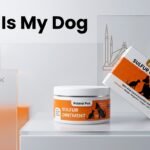
Discussions in Reddit community threads on tropical rain point out how persistent mugginess encourages rapid microbial spikes. If you’re figuring out how to get rid of fungus in monsoon conditions, immediate topical care makes all the difference. Applying proven treatments like PrimePet Sulfur Ointment (PKR 1,000) soothes raw skin quickly, eliminating stubborn mites, fungal spores, and bacterial colonies without harsh chemical irritation.
Understanding how localized skin inflammation spreads helps you intervene before minor itching turns into systemic distress. In this guide, Prime Pet outlines a simple, practical framework to identify early warning signs, treat active outbreaks, and build a lasting defense for your pet’s skin all season long.
How to Spot and Diagnose Monsoon Pet Skin Infection Symptoms Early

Catching coat troubles early saves your pet days of misery. Run your hands through your dog or cat’s fur after every wet walk. Check hidden spots like armpits, groin, paw pads, and ear folds. Normal seasonal shedding leaves loose fur, but skin underneath stays clean and dry. Minor rain irritation causes mild redness that disappears once fur dries out. But if you feel localized heat or catch a strong musty smell, a full-blown monsoon pet skin infection may be brewing. As highlighted by pet owners coping with canine skin issues, a greasy coat texture often points to underlying yeast or bacteria before hair loss even starts.
Spotting Monsoon Pet Skin Infection Symptoms Early
Different microbes cause distinct warning signs on your pet’s body. Learn how to tell them apart during your daily inspection:
- Fungal Dermatitis & Yeast: Greasy coat, dark skin patches, severe scratching, and a sour, cheesy odor around paws and skin folds.
- Hot Spots (Acute Moist Dermatitis): Red, swollen, wet lesions that ooze fluid and spread within hours due to obsessive licking.
- Ringworm: Circular hairless patches with dry, scaly centers and raised, crusty edges.
- Bacterial Folliculitis: Tiny red pimples or yellow pus-filled bumps clustered around hair roots on the belly.
This short guide from Native Pet explains how hot spots erupt rapidly during high humidity and what you can do to soothe inflamed skin quickly.
Addressing early redness or minor scaling keeps small irritations from turning into severe pyoderma. Keep a direct topical treatment ready in your pet first-aid kit. PrimePet Sulfur Ointment (PKR 1,000) provides fast, gentle relief against stubborn ringworm, mange, and fungal flare-ups. Applying it at the first sign of red, flaky skin stops microbes from spreading across your pet’s body.
Phase-by-Phase Treatment Protocol for Active Pet Skin Infections
3-Step Action Framework for Monsoon Pet Skin Infection Treatment
Clearing up an active monsoon pet skin infection demands a systematic protocol. Randomly smearing cream on wet fur won’t work. Most superficial bacterial and fungal flare-ups resolve within two to four weeks if you stick to a disciplined daily routine.
Field Practitioner Rule: Never apply topical ointments over damp skin. Trapping water underneath creams creates a warm greenhouse that accelerates fungal spore multiplication.
Phase 1: Sanitization & Moisture Control
Moisture fuels fungal growth. Clean infected patches gently using a mild antiseptic wash. Pat the skin dry with a clean microfiber towel. Don’t rub inflamed tissue. Rubbing spreads active spores across healthy hair follicles. Use a hairdryer on its cool setting to guarantee the skin fold is bone-dry before moving to step two.
Phase 2: Targeted Medical Application
Once the skin is completely dry, apply a high-potency topical treatment directly onto the lesions. Many dog owners end up fighting stubborn pet ringworm infections for months because their chosen remedy lacks broad-spectrum potency.
To eliminate ringworm, mange, and persistent yeast patches, apply PrimePet Sulfur Ointment (PKR 1,000) directly to affected spots. Sulfur acts like a natural shield. It suffocates parasitic mites and breaks down fungal cell structures without damaging sensitive tissue. Spread a thin layer over raw skin twice daily. It stops itching fast and accelerates natural recovery during rainy seasons.
Phase 3: Skin Barrier Repair & Maintenance
Restoring the skin barrier prevents immediate reinfection. Use a protective cone so your pet cannot lick off medication. Add omega-3 fatty acids to daily meals to strengthen skin cells from within. Always continue applying your topical treatment for seven full days after all visible redness disappears. This step destroys hidden dormant spores that usually trigger relapses.
Quick Diagnostics Q&A
How long does it take for a bacterial skin infection to clear up in dogs?
Superficial infections usually take 14 to 28 days of consistent treatment. Deep skin infections may require up to six weeks of targeted therapy.
Why does my dog’s skin infection keep coming back?
Recurrence happens when owners stop treatment prematurely or fail to control environmental moisture. Stopping ointment as soon as red spots fade leaves lingering micro-spores alive to reignite outbreaks.
Why Does Damp Weather Cause Recurrent Paw and Fold Infections?
Moisture Traps: Stopping Recurrent Monsoon Pet Skin Infection on Paws and Folds
High humidity turns your pet’s paw pads and skin folds into tiny greenhouses. When heavy rain hits, trapped moisture degrades the outer skin layer. Paws stay damp. This microscopic shift breaks down natural skin defenses, allowing normal surface yeast and bacteria to overgrow rapidly. The result is painful interdigital dermatitis between the toes and skin-fold pyoderma in deep body creases.
Many pet parents ask us, why does my dog keep getting paw infections? The answer lies in hidden moisture pockets. Rainy walks soak the delicate webbing between your dog’s toes. If paws remain damp, microflora balances shatter and yeast surges. Constant paw licking introduces saliva, making the raw skin worse. As highlighted by pet owners dealing with damp skin fold rashes, groin folds and armpits trap moisture just as easily during rainy season walks.
You might wonder, how long does it take for a bacterial skin infection to clear up in dogs? Superficial surface infections usually resolve within 7 to 14 days of targeted topical therapy. However, deep or recurrent infections can take 3 to 6 weeks to heal completely.
If you’re asking, can I soak my dog’s infected paw in Epsom salt? Yes, you can. A brief 5-minute lukewarm Epsom salt soak calms inflamed tissue and cleanses grime. You must dry the paws thoroughly right after soaking.
Veterinary experts like Dr. Andrew Jones frequently share practical home treatments to manage sudden skin flare-ups. Watch the video above to learn simple, natural daily rinse methods that soothe itchy skin before microbes multiply out of control.
To eliminate moisture pockets and stop recurrent flare-ups, adopt this post-walk paw maintenance routine:
- Rinse away mud: Wash paws immediately after outdoor walks with clean water to remove environmental microbes and debris.
- Eliminate hidden dampness: Press a clean microfiber towel deep into every interdigital web and body fold. Use a cool-setting hairdryer for thick coats.
- Apply targeted barrier protection: Smooth PrimePet Sulfur Ointment directly onto raw interdigital webs and irritated body folds. Formulated specifically to restore natural skin balance, this authentic fast-acting topical treatment (priced at PKR 1,000) suppresses yeast overgrowth and protects sensitive skin folds throughout the damp monsoon season.
Building an Essential First-Aid Strategy for Healthy Monsoon Skin
Damp weather doesn’t have to ruin your pet’s comfort. High humidity and soggy walks set the stage for yeast flare-ups, dermatitis, and fungal outbreaks. Catching a monsoon pet skin infection early saves your pet from constant scratching and keeps them comfortable throughout the wet season.
Staying ahead of rainy-season skin troubles requires a simple daily routine:
- Thorough drying habits: Wipe down paws, armpits, and ear folds immediately after every walk. Moisture trapped in dense fur quickly invites bacteria and fungi.
- Dietary watchfulness: Avoid leaving out wet food that spoils rapidly in humid air. Feed fresh meals rich in omega fatty acids to strengthen their natural skin barrier.
- Rapid home care: Treat minor red patches immediately before your pet licks them into raw, open sores.
As experienced pet owners emphasize in community emergency readiness threads, keeping a basic medical kit packed before bad weather hits saves endless hassle. You don’t want to search for remedies while your dog suffers from a hot spot late at night.
Every home first-aid kit needs a reliable, multi-purpose topical treatment. We recommend keeping PrimePet Sulfur Ointment on hand throughout the rainy months. Priced at just PKR 1,000, this fast-acting cream directly tackles mange, ringworm, and stubborn damp-weather irritations on both dogs and cats. Its soothing formula stops itching on contact while helping inflamed skin heal safely.
Preventing a stubborn monsoon pet skin infection comes down to quick daily action. Dry those wet paws, monitor their food freshiness, and keep proven topical remedies stocked in your medicine cabinet. Your furry companion counts on you to keep their coat clean, dry, and healthy all year long.