7 Dangerous Pet Care Myths Common in Pakistan (Debunked by Vets) – pet care myths pakistan
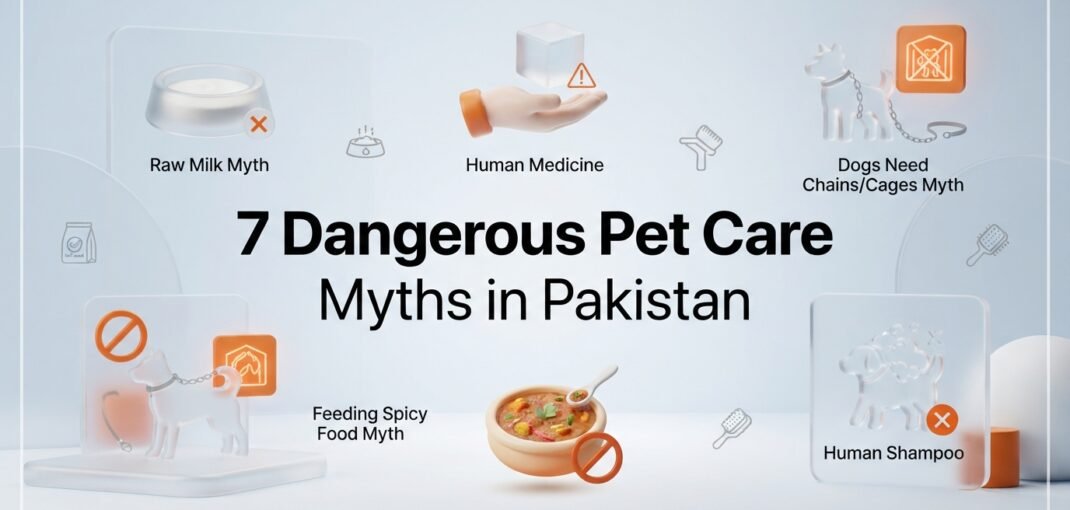
Pet ownership across urban centers like Lahore, Karachi, and Islamabad is exploding fast. Modern animal lovers treat their dogs and cats like true family members. Yet, outdated advice still dominates neighborhood conversations. Uncovering the reality behind pet care myths pakistan pet owners have inherited for generations is essential for keeping animals healthy. From feeding cats unpasteurized milk to skipping basic immunizations, relying on unverified claims puts lives at risk. Qualified veterinarians across the country are speaking out against these dangerous pet care myths common in Pakistan, urging households to switch to science-based routines built for our local climate. Specifically addressing debunked, this guide explores how 7 Dangerous Pet Care Myths Common in Pakistan (Debunked by Vets) – pet care myths pakistan delivers practical, actionable value.
Table of Contents
- 1. Why Is Feeding Leftover Roti and Doodh Harmful to Dogs and Cats?
- 2. What Are the Biggest Pet Care Myths in Pakistan About Calcium and Bone Growth?
- 3. Why Do Local Desi Breeds Still Require Core Vaccinations and Deworming?
- 4. Does Shaving a Pet's Coat Really Keep Them Cool During Pakistani Summers?
- 5. How Do Ticks and Internal Parasites Infest Strictly Indoor Pets?
- 6. Elevating Local Veterinary Care Standards Across Pakistan
For years, well-meaning owners relied on informal advice from street vendors or relatives. We’ve all heard claims that local street dogs don’t catch diseases, or that cutting a cat’s fur helps them survive June heatwaves. These misconceptions cause real harm. In online community discussions on puppy health risks, first-time owners frequently share how preventable viral infections lead to heartbreak. As one owner highlighted, “having a dog with parvo is among the most stressful scary things you can go through as a new pet owner.” Preventing these tragedies starts with discarding old habits and adopting modern medical standards.
Nutrition is another area filled with confusion. Many owners throw cooked bones or plain flatbread into a food bowl, assuming it supplies full nourishment. It doesn’t. Bone fragments can tear stomach linings, while unbalanced diets cause weak joints. To protect growing puppies, nursing mothers, and aging pets, targeted supplementation is a safer path. Formulated options like PrimePet Bone Care (priced at PKR 1,500) provide a balanced blend of Calcium, Magnesium, and Phosphorus. This strengthens teeth and joints without risking painful blockages.
Creating a calm household environment helps lower stress in pets as you transition them to healthier habits. Soothing ambient noise can keep anxious animals relaxed while recovering from vet visits:
Building a safe environment means understanding your pet’s true biology. Debunking everyday pet care myths pakistan residents encounter helps clear up confusion about nutrition, hygiene, and medical needs. Our detailed guide breaks down traditional fallacies with clear explanations from experienced clinical vets. Learn how to protect your pets from ticks, internal parasites, and summer heat while boosting their daily vitality.
Why Is Feeding Leftover Roti and Doodh Harmful to Dogs and Cats?

The Roti and Doodh Trap: Deconstructing Household Pet Care Myths in Pakistan
Walk into almost any home in Lahore or Karachi, and you’ll see a familiar sight. A bowl of warm cow’s milk with torn pieces of whole wheat atta roti soaking inside. Many families believe this traditional meal provides complete nourishment for their pets. It’s one of the most widespread pet care myths in Pakistan. While fed with love, this combination does serious harm to canine and feline digestive systems.
Puppies and kittens produce an enzyme called lactase. It breaks down the natural sugars in their mother’s milk. As animals mature, their bodies stop making this enzyme. Feeding adult cats and dogs a bowl of milk leads directly to painful gas, gut inflammation, and chronic diarrhea. Cats are obligate carnivores. They require animal tissue to survive. Wheat roti offers empty carbohydrates that your pet’s stomach cannot process effectively.
Many new owners ask basic feeding questions online. Can we give milk and roti to dogs? The short answer is no. Owners also ask: is Atta roti safe for dogs to eat? While a tiny piece of plain cooked wheat won’t poison a dog instantly, making it a daily staple starves them of vital meat-based protein. Over time, gluten and heavy carbs trigger severe skin allergies, hair loss, and violent gut reactions.
Veterinary clinics in urban centers like Islamabad and Faisalabad report a steady rise in scrap-fed pets suffering from advanced malnutrition, brittle bones, and dull, patchy coats. Feeding leftovers hides a slow crisis under the surface.
People often ask about the silent killer of dogs. Chronic nutritional deficiency is right at the top of that list. When pets eat leftover human curries, they also consume toxic ingredients hidden in the gravy. If you are wondering about the 5 most toxic foods for dogs, keep these away from your home:
- Onions and Garlic: Found in almost every local gravy; they destroy red blood cells and cause severe anemia.
- Chocolate: Contains theobromine, which speeds up heart rates to dangerous levels.
- Grapes and Raisins: Trigger sudden, irreversible kidney damage in dogs.
- Xylitol: An artificial sweetener in human treats that causes a rapid drop in blood sugar.
- Cooked Poultry Bones: Splinter easily inside stomach walls, causing fatal internal punctures.
Pet lovers across South Asia share this exact struggle. A detailed Reddit discussion on milk and bread risks for strays highlights how dairy and grain diets cause chronic diarrhea and severe dehydration in domestic animals. Feeding meat scrap leftovers might seem convenient, but it deprives your pet of balanced vitamins.
Fixing a poor diet requires switching to species-appropriate animal proteins like boiled chicken, eggs, and organ meats. Check official ASPCA guidelines on safe pet nutrition to double-check human food safety. Pets raised on roti and milk usually suffer from hidden mineral deficits. Their bones and joints lack essential structural building blocks.
For growing puppies, nursing mothers, and senior dogs recovering from scrap-based diets, PrimePet Bone Care provides the missing foundation. Formulated with an exact balance of Calcium, Magnesium, and Phosphorus, it strengthens weak teeth and rebuilds brittle joints. Available directly for PKR 1,500, it gives your dog the structural support that a bread-and-dairy diet fails to deliver.
What Are the Biggest Pet Care Myths in Pakistan About Calcium and Bone Growth?
Uncovering Pet Care Myths in Pakistan Around Calcium and Skeleton Growth
Walk into almost any backyard in Lahore, Rawalpindi, or Karachi housing a German Shepherd, Labrador, or local Bully Kutta. You will likely find a dish filled with raw buffalo milk or sharp mutton bones straight from the local butcher. A deep-rooted belief exists among owners that pouring thick cow milk or feeding raw butcher bones (nalli) builds a massive, heavy-boned dog. This belief remains one of the most damaging examples of pet care myths pakistan owners encounter daily. It sounds sensible on the surface, but it frequently leads straight to veterinary emergency rooms.
Bone development does not work like filling a bucket with water. It works more like mixing high-grade concrete. If you throw in too much cement without the correct ratio of sand and water, the finished wall crumbles under pressure. Feeding unmeasured raw calcium or human-grade milk disrupts the vital Calcium-to-Phosphorus ratio, which should stay close to 1.2:1 in growing dogs. When this balance breaks, serious skeletal deformities begin to take shape under the skin.
| Common Backyard Practice | Intended Goal | Actual Clinical Outcome |
|---|---|---|
| Feeding raw butcher bones (*nalli/haddi*) | Thicken leg bones & teeth | Broken teeth, intestinal tears, severe constipation |
| Pouring large bowls of plain buffalo milk | Supply high calcium daily | Chronic diarrhea, poor absorption, gut irritation |
| Adding random human calcium pills to feed | Accelerate puppy growth | Joint dysplasia, bowed legs, permanently stunted cartilage |
Raw butcher bones carry severe physical risks. A dog’s jaw pressure can easily snap large marrow bones into razor-sharp fragments. These shards cut through gums, crack premolar teeth down to the nerve root, and cause life-threatening intestinal blockages. Surgeries to remove swallowed bone obstructions cost upwards of PKR 50,000 and carry high mortality risks. Meanwhile, adult dogs and weaning puppies lack sufficient lactase enzymes to digest raw milk properly. Instead of absorbing minerals, the dog suffers from loose stools, flushing out essential nutrients before the body can use them.
“Excess calcium in growing large-breed puppies is far more dangerous than a mild deficiency. It stops cartilage from transforming into solid bone at the natural pace, locking joint deformities in place for life.”
Clinical data confirms these dangers. According to published clinical studies on puppy nutrition, excess calcium intake in developing large breeds prevents normal bone remodeling. The excess mineral forces joints to fuse prematurely or unevenly. This triggers Osteochondritis Dissecans (OCD), angular limb deformities (bowed legs), and worsens hip dysplasia. On the flip side, diets lacking balanced minerals cause nutritional rickets, leaving young dogs with soft, painful joints that bend under their own body weight. As users frequently note in Reddit discussions on calcium absorption, consuming high volumes of raw dairy without proper nutrient balancing does not result in stronger bones.
Understanding how minerals interact inside the body is essential. Just as human health discussions emphasize proper nutrient absorption factors, pets require an exact balance of co-minerals to build dense bones safely.
Clearing Up Common Feeding Rules and Meat Misconceptions
Pet owners often get confused by conflicting advice found online or from local breeders. Many common questions pop up when trying to fix a dog’s diet and avoid hazardous bone-building habits.
What is the 95% rule in dog food?
This is an official industry standard established by feed control officials. It states that if a pet food product claims to be a single-ingredient diet (like “Beef for Dogs”), the named meat must make up at least 95% of the total product weight, excluding added water. Knowing this rule helps you spot low-quality commercial foods that mask cheap fillers under fancy meat labels.
What meats should dogs avoid?
Always keep your pet away from three specific meat presentations:
- Cooked poultry bones: Chicken and turkey bones splinter instantly when chewed, piercing the stomach wall.
- Processed salted meats: Bacon, sausages, and local spiced kebabs carry dangerous sodium levels that damage canine kidneys.
- Spoiled raw offal: Untreated butcher shop scraps often harbour high bacterial loads like Salmonella or E. coli.
Similar patterns show up across wider dietary discussions. Experienced veterinary technicians sharing insights in Reddit's veterinary nutrition guide point out that home-brewed bone broth and unmeasured butcher scraps lack the necessary scientific balance required for real growth.
The Right Way to Support Skeletal Growth Safely
Building dense bones and protecting joints requires precision, not guesswork. You do not need hazardous raw bones or messy bowls of milk to raise a healthy dog. The safest path involves providing a consistent base diet alongside targeted, scientifically measured mineral supplements.
This is where PrimePet Bone Care makes a real difference for pet parents across Pakistan. Formulated specifically to bridge nutritional gaps safely, this premium supplement costs just PKR 1,500. Instead of dumping raw calcium into your dog’s system, it delivers an exact, balanced blend of Calcium, Magnesium, and Phosphorus. These three minerals work together to build strong bone matrixes without overloading delicate cartilage.
Whether you are raising a fast-growing German Shepherd puppy, supporting a nursing mother whose body is drained of minerals, or helping a senior dog maintain firm joint structure, accurate dosing matters. PrimePet Bone Care eliminates the risk of dental fractures and intestinal blockages caused by butcher bones, giving your pet the exact support required for a long, active life.
Why Do Local Desi Breeds Still Require Core Vaccinations and Deworming?

A persistent belief among pet owners across Lahore, Karachi, and Islamabad is that native Pakistani dogs (often called Desi or Indie breeds) and local street cats don’t need shots. People assume that surviving outdoors endows these animals with ironclad genetic immunity. This is one of the most dangerous fallacies in local pet care. Street-bred animals survive through sheer luck, not genetic invincibility. In fact, local street litters suffer devastating mortality rates due to endemic viral outbreaks.
Pathogens don’t inspect bloodlines. Canine Parvovirus, Canine Distemper, Feline Panleukopenia, and Rabies infect indigenous breeds at the exact same rate as imported Huskies, Persians, or Golden Retrievers. Rabies remains a massive public health threat in Pakistan, causing thousands of preventable human deaths every year through zoonotic transmission—diseases that leap from animals to humans. Skipping core vaccinations for a native rescue puts both your pet and your human family at direct risk.

Unpacking Pet Care Myths in Pakistan Surrounding Native Breed Immunity
To keep your pet safe, you must understand how preventive veterinary medicine works. Vaccines train the immune system to recognize killer viruses before exposure happens. Dewormers purge internal parasites that rob your pet of nutrients and cause severe internal bleeding. Neither process happens naturally just because a puppy was born on a neighborhood street.
“Street dogs face constant exposure to parvo and distemper in Pakistan’s urban centers. Assuming a Desi puppy is naturally immune is a recipe for heartbreak.”
Understanding the difference between essential protection and optional boosters helps you make smart decisions for your pet’s health budget.
| Category | Canine Vaccines | Feline Vaccines |
|---|---|---|
| Core (Mandatory) | Rabies, Parvovirus, Distemper, Adenovirus (DHPP combo) | Rabies, Panleukopenia (FPV), Rhinotracheitis (FHV-1), Calicivirus (FCV) |
| Non-Core (Lifestyle-Based) | Leptospirosis, Bordetella (Kennel Cough), Lyme Disease | Feline Leukemia Virus (FeLV), Feline Immunodeficiency Virus (FIV) |
Many cat owners ask: Is FeLV considered a core vaccine? For adult cats living strictly indoors with no exposure to other felines, standard guidelines consider Feline Leukemia Virus (FeLV) a non-core vaccine. However, veterinary associations recommend it as a core shot for all kittens during their initial booster series, as young cats are far more vulnerable if they ever escape or encounter an infected cat.
Essential Vaccination Costs and Safety Rules
Budget concerns often prevent pet parents from visiting clinics, leading to questions about standard regional pricing. How much does it cost to vaccinate a dog in Pakistan? A standard DHPP combination shot generally ranges between PKR 2,500 and PKR 4,500 per dose at reputable urban clinics. A mandatory Rabies vaccination costs between PKR 1,000 and PKR 1,800. Considering that treating a active Parvovirus infection costs tens of thousands of rupees in hospital care with no guaranteed survival, preventive shots are far more affordable.
When getting your cat vaccinated, veterinarians monitor safety using clinical protocols like the 3/2/1 rule for vaccines. This rule guides owners on monitoring injection sites for feline injection-site sarcoma (a rare mass that can form after shots):
- 3: The lump persists for 3 months or longer after the injection.
- 2: The lump measures larger than 2 centimeters in diameter.
- 1: The lump continues to grow in size after 1 month post-vaccination.
If an injection site mass meets any of these criteria, your vet will biopsy the tissue to ensure early safety intervention.
Navigating Maternal Immunity and Deworming Schedules
Why do young puppies need multiple booster shots instead of just one? Newborn puppies receive temporary antibodies from their mother’s first milk (colostrum). These maternal antibodies protect the pup during its first few weeks of life, but they also block vaccines from working properly. As discussed in community discussions on puppy maternal antibody interference, these protective proteins fade unpredictably between 6 and 16 weeks of age. Boosters given every 3 to 4 weeks ensure the puppy receives active immunity the moment maternal protection drops.
Deworming is equally vital for both stray rescues and purebred pets. Internal parasites like roundworms, hookworms, and tapeworms steal vital nutrients from your pet’s intestinal tract. Roundworm eggs easily pass to human children through accidental soil ingestion or pet licks. Deworming puppies every two weeks until they reach three months of age—followed by monthly or quarterly adult doses—keeps your home safe from dangerous worm infestations.
Rescued Desi puppies and growing young dogs often suffer from malnourishment alongside heavy parasite loads. Once dewormed, their bodies need focused structural support to build strong skeletons and healthy joints. Incorporating a dedicated skeletal supplement like PrimePet Bone Care skeletal supplement helps bridge nutritional deficits. Formulated with a balanced blend of Calcium, Magnesium, and Phosphorus, it sells for PKR 1,500 and provides essential skeletal foundation support for growing puppies, nursing mothers, and recovering rescues across Pakistan.
Does Shaving a Pet's Coat Really Keep Them Cool During Pakistani Summers?
Combating Pet Care Myths in Pakistan Regarding Summer Shaving
When summer temperatures cross 45°C in Lahore, Multan, or Karachi, pet parents panic. They rush to local groomers asking for a complete buzz cut down to the skin for their Huskies, German Shepherds, or Persian cats. It feels like common sense. Humans wear lighter, shorter clothes when the sun blazes, so why shouldn’t pets lose their heavy fur?
This practice represents one of the most misunderstood veterinary summer haircut guidelines in the country. Shaving a double-coated pet does not cool them down. It actually makes them hotter.
Think of a double coat like high-grade house insulation. Thermal insulation keeps freezing air out during winter. It also blocks scorching heat during summer. A double-coated dog or cat relies on two distinct layers of fur to manage body heat:
- The Outer Guard Hairs: Tough, longer hairs that reflect solar radiation, shield against UV rays, and protect against insect bites.
- The Soft Undercoat: Dense, fine hair that traps a slow-moving layer of air right against the skin.
That trapped air buffer stays cooler than the blazing ambient temperature outside. When you shave this coat away, you destroy their built-in air conditioning. As pet parents point out in canine thermoregulation discussions on Reddit, removing this barrier exposes vulnerable skin straight to direct sunlight. The animal’s core body temperature spikes faster, dramatically increasing the risk of solar heatstroke, sunburn, and permanent follicle damage known as post-clipping alopecia.
Should I shave my dog’s fur in summer?
No. Never shave a double-coated dog. Dogs do not sweat through their skin like humans; they cool down primarily by panting and releasing heat through their paw pads. Removing their fur deprives them of sun protection without offering any cooling relief.
Answering Common Questions About Summer Coat Care
Pet owners frequently ask specific questions when trying to navigate heat stress during peak Pakistani months. Here are the clear answers every owner needs to know:
Which dog breed should not be shaved?
You must never shave double-coated breeds. This includes Siberian Huskies, Alaskan Malamutes, German Shepherds, Golden Retrievers, Labrador Retrievers, Pomeranians, Chow Chows, and Samoyeds. Single-coated breeds with continuously growing hair—like Poodles or Shih Tzus—can receive light sanitary trims, but their skin should still never be completely bare.
Is it good to shave Persian cats?
No, shaving a Persian cat is generally harmful. Cats regulate their temperature through grooming, panting, and seeking cool surfaces. Shaving their dense coat exposes them to skin infections, sun damage, and stress. The only exception is when a vet recommends clipping to treat severe skin infections or unmanageable fur matting.
Do dogs get sad when their fur is shaved?
Dogs do not feel emotional embarrassment about appearance, but they exhibit clear distress. Stripping away their fur removes tactile feedback from guard hairs. Exposed skin feels raw, sensitive, and drafty. Shaved pets often act anxious, hide in corners, or scratch persistently because their natural barrier is gone.
Safe Summer Cooling Protocols for Domestic Pets
Managing heat safely requires supporting your pet’s body mechanics rather than fighting them. Replace the shaver with a simple, effective summer routine:
- Line Brushing & Deshedding: Use an undercoat rake twice a week. Removing dead, trapped undercoat hair allows fresh air to circulate through the guard coat naturally.
- Hydration & Airflow: Keep pets indoors during peak daylight hours (11:00 AM to 5:00 PM). Ensure continuous access to fresh water and direct air circulation from fans or air conditioners.
- Cool Surface Rest: Let your pet lie on shaded tile floors. Heat transfers directly out of their belly and paw pads into cool surfaces.
Extended indoor stay during heatwaves means pets spend more time resting on hard tile floors. Joint strain can increase during these inactive months. Supporting overall structural health becomes essential. Adding PrimePet Bone Care (priced at PKR 1,500) to their routine offers a direct blend of Calcium, Magnesium, and Phosphorus. This daily supplement maintains joint comfort and bone density while your pet rests safely inside away from the scorching sun.
Protect your pet’s natural coat this summer. Keep the clippers away, maintain a rigorous brushing schedule, and let their biological insulation do the job it evolved to do.
How Do Ticks and Internal Parasites Infest Strictly Indoor Pets?

Believing apartment walls create an impenetrable shield is one of the most widespread pet care myths in Pakistan. Many pet owners in Lahore, Karachi, and Islamabad assume their strictly indoor cats and dogs don’t need tick drops or deworming tablets. That assumption often leads to sudden infestations. Parasites don’t ask for permission at the front door. They slip inside on clothes, shoes, and airborne vectors every single day.
Unmasking Pet Care Myths in Pakistan Regarding Indoor Immunity
You walk through a park or step on a sidewalk where stray animals roam. Microscopic roundworm and hookworm eggs cling to the grooves of your sneakers. You step inside your apartment, kick off your shoes, and your cat licks that exact spot on the rug minutes later. Unscreened balconies and windows pose another huge hazard. Stray cats roaming building ledges, wild pigeons, and sparrows shed fleas, mites, and tick larvae onto balcony railings. When an indoor cat grooms off a single flea picked up near an open window, that flea breaks down in the stomach and releases tapeworm larvae. Many frantic owners post in online communities after indoor cat owners discovering tapeworm segments realize their apartment-only pet never had to set foot outside to contract parasites.
Pakistani summers and monsoon seasons create perfect breeding grounds for these pests. Between July and September, relative humidity soaring above 70% accelerates flea egg hatching in home carpets. Brown dog ticks thrive in heat and can hide inside apartment baseboards for months without feeding. Mosquitoes drifting through open balcony doors carry heartworm larvae, posing a severe risk to indoor pets. According to veterinary insights on hidden parasite threats, vector activity doesn’t stop just because an animal lives on the tenth floor.
“They can get worms from ingesting bugs or flying insects that enter the home with parasites. Indoor cats still need preventative care just as much as outdoor pets.”
Indoor pets also hunt. Cats and dogs routinely catch houseflies, cockroaches, lizards, and small moths that stray indoors. These insects frequently act as intermediate hosts for internal parasites. Once your pet ingests an infected insect, the parasite lifecycle completes inside your pet’s stomach.
Common Questions About Indoor Parasites
What are two signs of internal parasites?
The two most common signs are unexplained weight loss despite a healthy appetite and a dull, scruffy coat. You might also notice a bloated “pot-belly” look in young animals, soft stools, or small white segments near your pet’s tail.
Does every pet owner have parasites?
No. Owning a pet doesn’t mean you automatically harbor parasites. However, certain roundworms and tapeworms are zoonotic, meaning they can pass to humans through accidental contact with microscopic parasite eggs. Regular handwashing and keeping your pet dewormed protects your entire family.
Should you deworm yourself if you have pets?
Routine self-deworming isn’t necessary for pet owners unless a medical doctor diagnoses an infection. Practicing basic hygiene, such as washing hands after clearing litter boxes or handling pet food, prevents transmission.
Which animal has no parasites?
Virtually no complex animal in nature is entirely parasite-free. Birds, mammals, reptiles, and fish all host internal or external parasites unless they receive consistent veterinary treatment.
Indoor Entry Pathways vs. Daily Prevention Actions
| Vector / Entry Point | How Parasites Enter | Preventive Action Plan |
|---|---|---|
| Human Footwear & Clothes | Shoes drag microscopic worm eggs and tick larvae inside from public streets. | Leave outdoor shoes at the front entrance and deworm pets every 3 months. |
| Balconies & Windows | Fleas jump from visiting birds or stray cats onto window sills and laundry railings. | Fit windows with tight wire mesh screens and use monthly topical tick drops. |
| Indoor House Insects | Pets catch and eat flies, geckos, or beetles carrying tapeworm larvae. | Maintain routine pest control and keep pets on year-round oral preventatives. |
Intestinal parasites drain vital nutrients directly out of your pet’s digestive tract. Over time, heavy worm burdens lead to poor mineral absorption, weak joints, and fragile bones. When protecting your dog against external and internal vectors, pairing antiparasitic treatments with proper nutritional support is critical. Adding PrimePet Bone Care (priced at PKR 1,500) to your dog’s regular diet provides an optimal blend of Calcium, Magnesium, and Phosphorus. This supplement helps growing puppies, nursing mothers, and recovering dogs rebuild skeletal strength and maintain healthy joints after recovering from parasite-induced nutrient depletion. As highlighted in community discussions on deworming indoor cats, continuous preventive care is the safest strategy for every household pet in Pakistan.
Elevating Local Veterinary Care Standards Across Pakistan
Breaking away from age-old pet habits takes time. For decades, pet owners across Lahore, Karachi, and Islamabad relied on homemade remedies and leftover table scraps. Modern veterinary science shows us a much better path. Dismantling common pet care myths pakistan families have passed down through generations is the first step toward extending our pets’ lives. When we replace leftover flatbreads with species-appropriate diets and recognize that indoor cats still face parasite risks, our companion animals thrive.
Self-diagnosing pet ailments often leads to tragic outcomes. Human pain relievers, improper dosages, and missed vaccinations create avoidable health crises. As experienced owners frequently emphasize in Reddit canine health discussions, contacting a local practice should always be your immediate instinct when something feels wrong. Veterinary clinics across the country are upgrading their diagnostic capabilities every day. Partnering with a trained professional ensures your dog or cat receives care tailored to their specific life stage and local climate challenges.
“Replacing traditional myth-based habits with modern, science-backed care is the greatest gift we can offer our pets.”
Skeletal strength doesn’t happen by accident. Growing pups, pregnant mothers, and aging pets need exact mineral balances to keep their frames strong. We can’t rely on random bone scraps or plain cow’s milk to supply these vital nutrients. That’s where targeted nutritional support makes all the difference. Our authentic formula, PrimePet Bone Care, offers a balanced blend of Calcium, Magnesium, and Phosphorus designed to strengthen bones, teeth, and joints. Available directly for PKR 1,500, it gives growing puppies, nursing mothers, and senior dogs the structural foundation they need for lifelong mobility.
To help transition your household toward evidence-based pet care, focus on these fundamental priorities:
- Schedule regular wellness check-ups: Annual or bi-annual clinic visits catch underlying health issues before they become emergencies.
- Maintain consistent parasite prevention: Fleas, ticks, and heartworms impact both indoor and outdoor pets in warm climates.
- Provide balanced daily nutrition: Eliminate raw milk and spicy table foods in favor of complete diets and targeted supplements.
- Verify advice with qualified vets: Question outdated remedies shared by neighbors or unverified online forums.
Building a nation of healthy, happy pets starts right in our own living rooms. By debunking widespread pet care myths pakistan households have tolerated for years, we actively protect our animals from preventable disease and chronic discomfort. Let’s commit to evidence-based nutrition, regular check-ups, and proactive care today. Our pets rely on us for their entire world. Giving them scientifically sound care is the least we can do in return.