Dog Skin Mange Healing Timeline: Antifungal Cream Results - dog antifungal cream before after
Seeing your dog constantly scratch and chew at raw, scaly skin is heartbreaking. When microscopic fungal spores or mange mites invade fur, damage shows up fast. Tracking a dog antifungal cream before after transformation gives pet parents clear proof that targeted topical care is working to clear up skin mange, yeast overgrowth, and hair loss across a realistic healing timeline.
Table of Contents
Dogs signal trouble early when their natural defense system breaks down. Redness flares in warm spots like armpits, paws, and ear flaps. Scaly patches flake off like heavy dandruff. A sharp, musty odor often follows as yeast fungi multiply uncontrollably. You'll also notice localized hair loss that leaves behind raw, exposed spots. These surface symptoms look like simple irritation. However, surface skin breakdown points to deeper weaknesses in your dog's immune barrier.

Think of your dog's skin like a sturdy brick wall. When heat, moisture, or poor diet crack that outer barrier, opportunistic fungal pathogens move in deep. Using a targeted topical cream destroys surface yeast and soothes itchy inflammation. Still, topicals only treat half the problem if the underlying skin barrier remains weak and vulnerable.
Standard kibble often loses vital nutrients during high-heat manufacturing, leaving gaps in your pet's daily defenses. To reinforce treatment, dog parents pair topical creams with daily internal care. Adding PrimePet Vital Mix Multivitamin & Mineral Supplement for Dogs & Cats (priced directly at PKR 1,500) feeds the dermal matrix from within, accelerating tissue repair while your dog antifungal cream before after routine restores external fur growth. Documenting these initial flare-ups helps you accurately track visual recovery at every stage of healing.
Dog Antifungal Cream Before After: Real Timeline and Visual Healing Stages
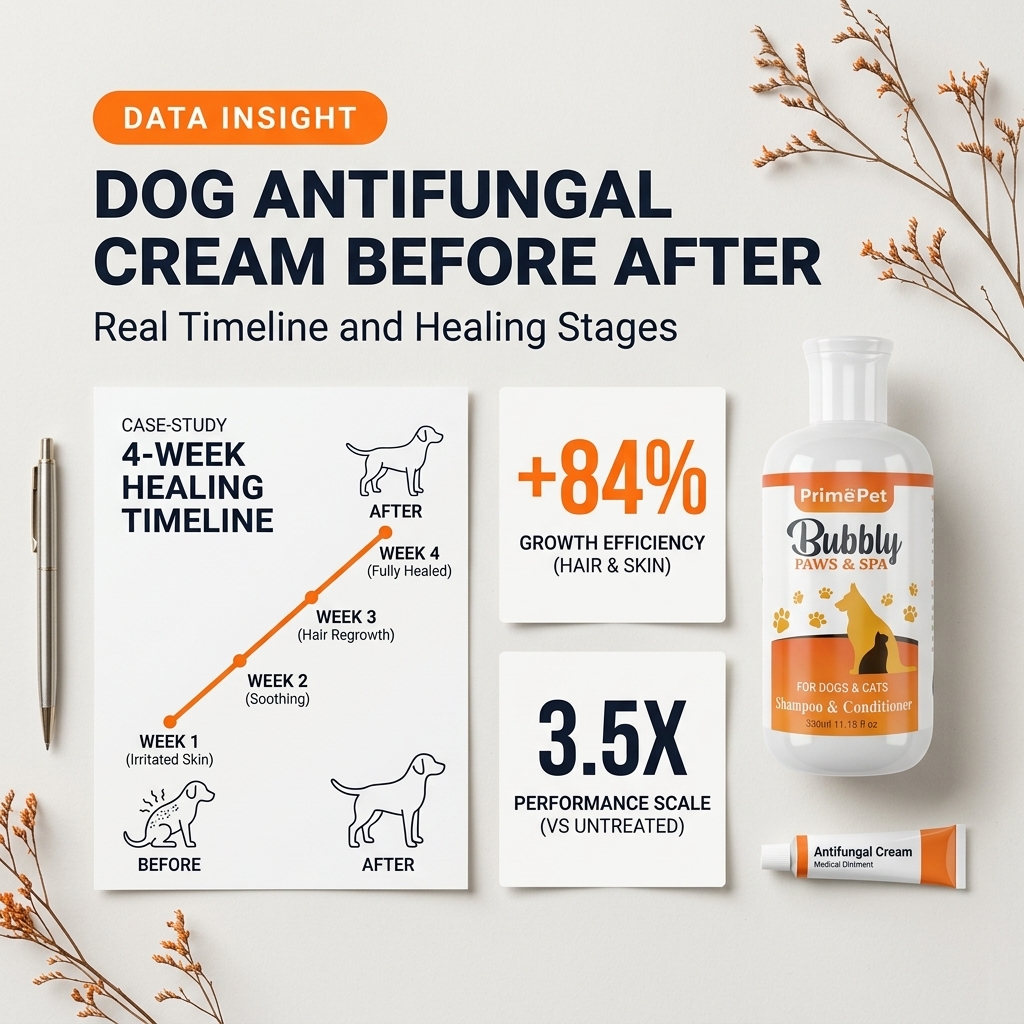
Fungal infections can turn your dog's smooth coat into a patchy, irritated mess. Watching your pup scratch constantly breaks your heart. Applying topical treatments starts a clear step-by-step transformation under the surface. When you track a dog antifungal cream before after progression, you'll notice distinct visual changes week by week. Healing doesn't happen overnight. Your dog's skin needs time to shed infected cells, cool down inflammation, and wake up dormant hair follicles.
Visual Benchmarks of a Dog Antifungal Cream Before After Recovery
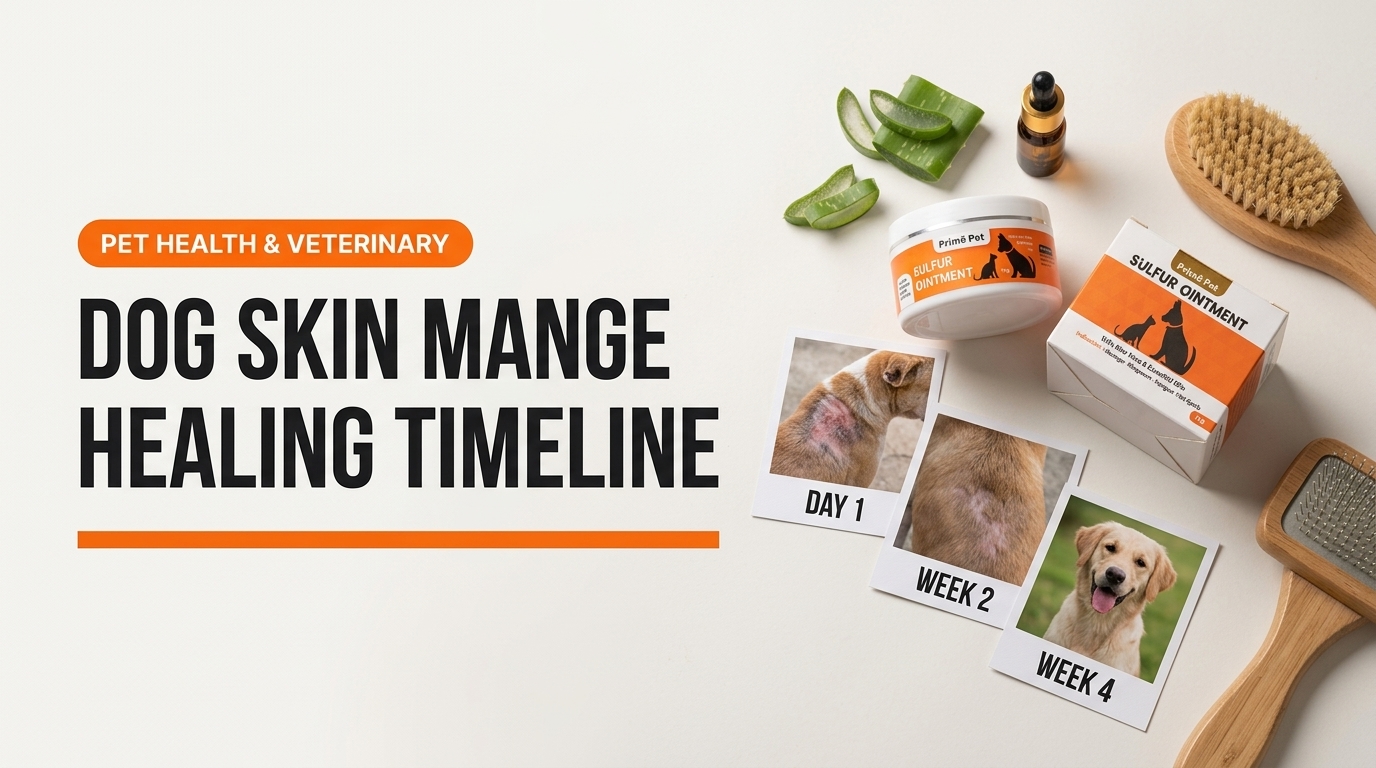
Day 1: Severe Redness, Active Lesions, and Constant Scratching
On the very first day of treatment, the skin looks angry. Fungal overgrowth breaks down the outer moisture barrier, leading to bright red patches, raised bumps, and yellowish crusts. You'll see your pet relentlessly biting or licking the affected area. The skin often feels hot to the touch and gives off a musty odor. Applying medicated topical creams like miconazole or ketoconazole right away seals the infected zone. It begins attacking fungal cell membranes immediately, though visual surface relief takes a few days to show.
Day 7: Reduced Scaling, Dried Crusting, and Diminished Itch
By the end of the first week, the fierce red hue starts fading into a light pink or normal flesh tone. The intense urge to scratch calms down noticeably. As the active fungus dies off, old infected skin dries up and flakes away like heavy dandruff. This flaking is actually a great sign. It means the body is shedding dead tissue to clear the path for fresh cells. Damp, raw textures give way to drier, stabilizing skin structure.
Days 14 to 21: Full Barrier Clearance and Early Hair Follicle Regrowth
Entering the third week reveals the most dramatic transformation in your dog skin mange healing timeline. Skin redness disappears, leaving behind smooth, resilient tissue. If hyperpigmentation or dark leather-like patches formed during the infection, they begin to lighten. Hair follicles start functioning normally again. You'll spot fine, soft hair growth—often called peach fuzz—spreading across previously bald spots. Continuing treatment through this window stops hidden fungal spores from starting a fresh outbreak.
| Recovery Phase | Visual Skin Appearance | Itching & Discomfort | Hair Follicle Activity |
|---|---|---|---|
| Day 1 (Initial Stage) | Bright red, inflamed, wet crusts or scabs | Severe, constant biting and scratching | Dormant or damaged by fungal toxins |
| Day 7 (Mid Recovery) | Pinkish tone, dry flaking skin, shedding scabs | Moderate to mild, occasional rubbing | Inflammation drops around follicle bases |
| Days 14–21 (Clearance) | Normal skin pigment, soft texture, clean barrier | Zero to minimal discomfort | Visible short soft stubble and peach fuzz |
Practitioner Tip: Never stop applying topical cream the moment skin stops looking red. Fungal spores survive beneath the outer skin layer even after surface symptoms vanish. Complete the full 21-day routine according to canine dermatological recovery guidelines to protect the skin barrier completely.
Topical creams destroy surface fungi, but internal nutrition rebuilds the skin's natural shield from within. Damaged tissue needs vitamins A, E, and essential minerals to generate healthy skin cells rapidly. Adding PrimePet Vital Mix Multivitamin & Mineral Supplement for Dogs & Cats to your pet's daily food provides key nutrients that support follicle repair. Available for PKR 1,500, this balanced daily multivitamin strengthens internal immune responses so your dog's coat grows back thick and stays protected against recurring yeast or mange outbreaks long after the cream finishes its job.
Why Topical Antifungals Need Internal Immune Support to Prevent Recurrence
Topical creams work fast. You rub them on itchy red spots, and within days, the flaking stops. But relying only on surface treatments creates a risky cycle. Creams kill active fungal cells on top of the skin, yet they don't fix why the fungus took root in the first place. If your dog's immune system stays weak, hidden spores will bloom again the moment you stop applying the ointment.
Bridging the Gap in Dog Antifungal Cream Before After Recovery
Think of your dog's skin as a brick wall. Skin cells act as bricks, while natural lipids form the mortar holding everything together. When a dog lacks key dietary nutrients, that mortar breaks down. Moisture leaks out, creating raw spots where opportunistic yeast or mange mites crawl right in. Surface medications wipe away invading pests. However, without internal immune support, the wall stays broken. Real, long-term healing requires building a tough internal shield alongside your daily spot treatments.
| Treatment Approach | Surface Results | Long-Term Recurrence Risk |
|---|---|---|
| Surface Creams Alone | Clears active rash and visible scaling quickly. | High risk. Fungal blooms return when cream stops. |
| Creams + Internal Immune Support | Clears active rash while rebuilding skin strength. | Very low risk. Strong immunity repels incoming spores. |
Why do so many pets suffer from weak skin defenses? Most commercial pet foods go through high-heat processing during manufacturing. This intense heat cooks out sensitive vitamins, omega fatty acids, and micro-minerals that dogs need to maintain tough skin tissue. To rebuild your dog's natural armor, you must replenish those lost nutrients from the inside out.
This is where PrimePet Vital Mix Multivitamin & Mineral Supplement for Dogs & Cats (Primepet Vital) makes a direct difference. Priced at PKR 1,500, this targeted daily supplement fills the exact dietary gaps caused by processed pet food. It supplies vital minerals like zinc and selenium, alongside skin-supporting vitamins that reinforce cellular structure. When you pair this internal boost with your regular cream application, you close the gap between short-term relief and permanent recovery.
Practitioner Insight: Over 70% of persistent canine skin infections aren't caused by aggressive fungi—they're caused by weak immune shields. Treating the skin surface without feeding the immune system is like painting over rust.
When you evaluate a dog antifungal cream before after transformation, the true victory isn't just clear skin on day fourteen. It's keeping that skin smooth, thick, and fur-covered six months down the road. Restoring daily immune resilience guarantees that once mange and yeast clear up, they stay gone for good.
How to Safely Apply Antifungal Cream and Administer Daily Nutritional Support
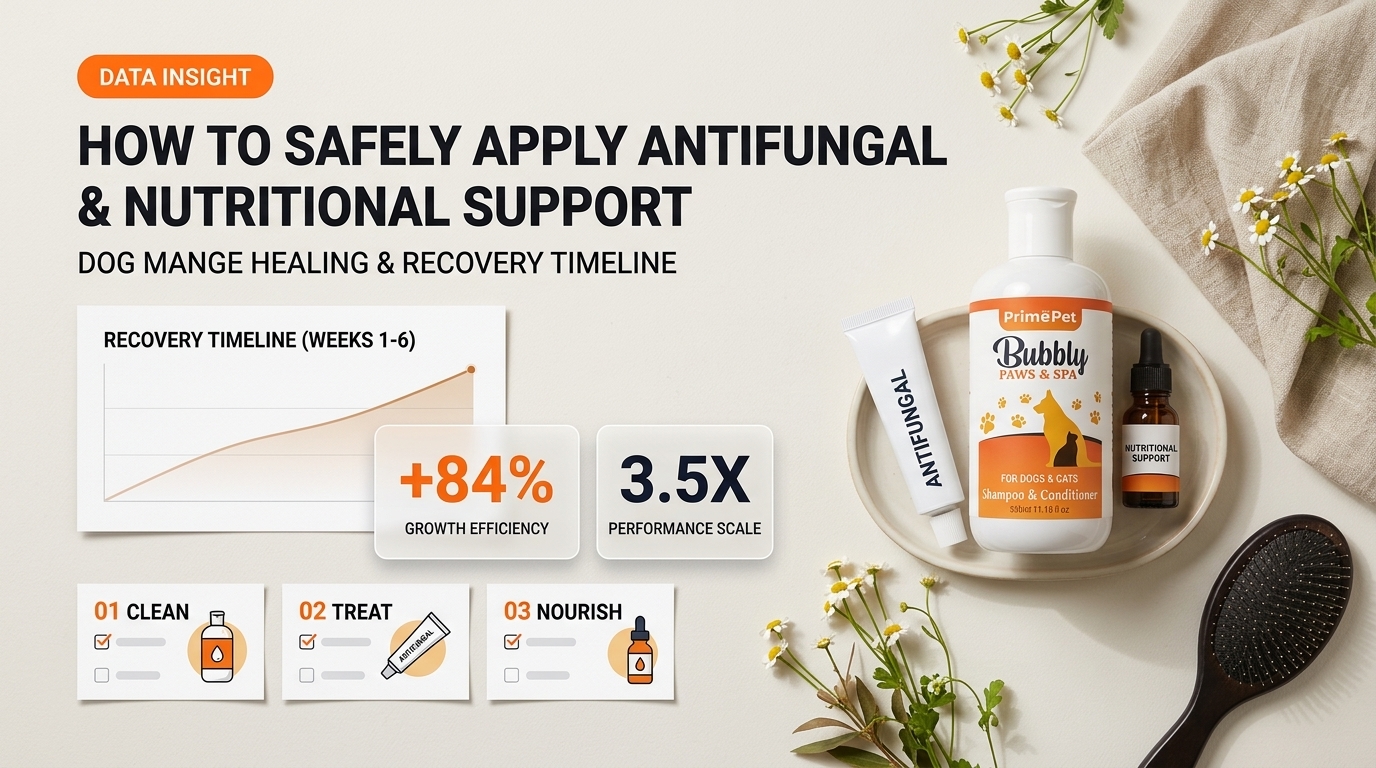
Healing your pup's raw skin takes more than just slapping ointment on a red spot. If you want to see a dramatic shift in your dog's condition, you need a disciplined, daily routine. Combining top-down skin care with bottom-up immune support speeds up tissue repair and stops pesky fungal spores from coming back.
Maximizing Dog Antifungal Cream Before After Results Through Proper Prep
Fungi thrive in damp, dirty skin folds. Applying medication over dirt traps bacteria and blocks the cream from reaching the active infection layer. Think of your dog's skin like a sponge; if it's already soaked with mud or sweat, it can't absorb the healing medicine.
- Gently clean the site: Dab the patch using warm water and a mild, antiseptic dog shampoo or chlorhexidine wipe. Avoid harsh rubbing, which irritates broken skin.
- Pat completely dry: Moisture acts like fertilizer for yeast and ringworm. Use a fresh paper towel to pat the area until it is bone dry. Throw the paper towel away immediately so spores don't spread.
- Apply a thin layer: Rub a small dab of prescription or recommended over-the-counter cream directly onto the redness and about half an inch onto the surrounding healthy skin.
Pro Tip: Less is more with topical ointments. A thick layer won't heal the skin faster—it just makes it easier for your dog to wipe off on your carpet or lick off their paw.
Stopping the Lick: Simple Safeguards That Protect Your Dog
Dogs instinctively want to lick away anything sticky on their fur. Saliva breaks down the active ingredients in antifungal treatments and washes them away before they work. Worse yet, swallowing topical creams can upset your dog's stomach.
Put an Elizabethan collar (the classic cone) or a soft inflatable recovery collar on your dog right after application. Keep the collar on for at least 20 to 30 minutes. This gives the skin enough time to absorb the ointment fully. If your dog panics in a cone, distract them with a puzzle toy or take them for a quick leashed walk right after applying the cream. Seeing clear dog antifungal cream before after improvements depends heavily on keeping the medicine on the skin where it belongs.
Disinfecting Your Home Environment
Topical treatments only clear the skin if you clear your house, too. Fungal spores fall off shedding fur and sit on rugs, dog beds, and grooming brushes for months. You don't want your pet getting re-infected by their own bed!
- Wash bedding weekly: Launder dog blankets and bed covers in hot water with pet-safe detergent.
- Sanitize grooming tools: Soak combs, brushes, and nail clippers in hot soapy water or antiseptic solution after every use.
- Clean your hands: Always wash your hands with soap and hot water after touching infected skin. Certain fungal issues, like ringworm, can spread to humans.
Combining Topical Care with Daily Internal Immune Support
Topical creams work from the outside in to eliminate fungal colonies. However, skin cells need raw building blocks from inside the body to rebuild damaged tissue and regrow a thick, shiny coat. That's where targeted nutritional support makes all the difference.
We recommend supplementing your dog's meal daily with PrimePet Vital Mix Multivitamin & Mineral Supplement for Dogs & Cats (Primepet Vital) #2. Available directly for PKR 1,500, this easy-to-use powder packs essential micronutrients, vitamins, and minerals missing from standard high-heat kibble processing. When mixed into wet food or sprinkled over dry kibble, it strengthens your dog's natural skin barrier, boosts immune response against stubborn fungal spores, and dramatically accelerates tissue repair.
| Care Action | Primary Goal | Frequency |
|---|---|---|
| Clean & Dry Skin | Removes surface spores & opens skin pores | 1-2 times daily before cream |
| Antifungal Ointment | Kills local fungal infection direct at site | As directed by vet (1-2x daily) |
| Cone / Distraction Routine | Prevents lick-off for 20-30 minutes | Immediately after cream application |
| PrimePet Vital Mix | Provides internal nutrients for cellular skin repair | Once daily with food (PKR 1,500) |
To better understand how fungi colonize pet skin, review the Merck Veterinary Manual guide on animal fungal skin diseases for technical details on fungal life cycles. Following this simple, two-pronged approach ensures your dog recovers quickly, comfortably, and permanently.
Measuring Success: Evaluating Recovery Results and Preventing Future Outbreaks
Healing takes time. You won't see overnight miracles when treating tough skin mange or stubborn yeast overgrowths. Watching the skin change week by week gives you confidence that the medication works. Comparing your dog antifungal cream before after photos gives you clear proof of real recovery.
Look closely at the surface of the skin first. Infected patches usually start off inflamed, red, or dark gray from thick scar tissue. As the topical medication kills off microscopic spores, the skin sheds its crusty layer. Healthy pink or natural skin tones take its place. The raw, greasy texture disappears, leaving behind smooth, cool skin.
Tracking Dog Antifungal Cream Before After Milestones
Every pet heals at their own pace. A clear timeline helps you track progress without guessing. We broke down the visual cues you should watch for as your pet moves through treatment.
| Recovery Stage | Skin Surface & Tone | Coat & Fur Condition | Itching & Discomfort |
|---|---|---|---|
| Week 1 - 2 | Redness fades. Swelling drops significantly. Crusts begin to dry up. | Hair loss stops expanding. Bare spots remain hairless. | Sharp reduction in frantic biting and licking. |
| Week 3 - 4 | Flakes clear away. Pigmentation normalizes into smooth, supple skin. | Fine, downy fuzz begins sprouting across bald patches. | Dog scratches only during normal grooming sessions. |
| Week 5+ | Skin barrier fully restored with no raw spots or odor. | Dense guard hairs cover the previous lesion completely. | Total cessation of infection-related scratching. |
Never stop applying topical cream early just because the skin looks better. Fungal spores hide deep inside follicle shafts. Stopping treatment too soon allows survivors to multiply again. Complete the entire recommended cycle to lock in those hard-won results.
True recovery happens when your dog stops itching completely and fresh hair roots cover healed tissue. Outer relief must be matched with inner defense to prevent reinfection.
Preventing Reinfection with Daily Immune Support
Clearing outer yeast spores with a topical formula is only half the battle. Fungal spores float in the air and live in grass everywhere. If your pet's inner immune barrier drops, those tiny invaders root right back into the skin. You must rebuild their natural defenses from the inside out.

Think of your dog's skin like a brick wall. The topically applied cream patches the outside mortar. Internal nutrients strengthen the bricks so invaders can't breach the wall again. Standard commercial dog kibble undergoes high-heat cooking. High heat destroys delicate vitamins and fatty acids needed for skin health. That leaves unseen gaps in your pet's immune shield.
We recommend filling this nutritional gap with PrimePet Vital Mix Multivitamin & Mineral Supplement for Dogs & Cats (Primepet Vital) #3. Available directly from our store for PKR 1,500, this daily wellness formula delivers essential minerals and vitamins lost during kibble manufacturing. It enhances natural immunity, fuels skin cell repair, and stops future fungal outbreaks before they take hold.
Post-Treatment Maintenance Routine
Long-term skin wellness requires small daily habits. Following a simple post-recovery checklist protects your pet's coat for years to come.
- Perform Weekly Audits: Run your fingers through your dog's fur once a week. Check damp areas like armpits, belly folds, and ears for early redness.
- Keep Skin Dry: Fungi need moisture to grow. Towel-dry your pet thoroughly after damp walks or bath time.
- Provide Daily Nutrients: Add PrimePet Vital Mix to your dog's morning meal to maintain strong skin immunity every single day.
- Sanitize Dog Bedding: Wash your dog's blankets in hot water regularly. This kills stray fungal spores resting on fabrics.
Combining outer topical care with daily internal multivitamin support stops the endless cycle of skin itching. Your dog stays comfortable, happy, and vibrant.
Achieving Lasting Skin Wellness: A Holistic Path to a Vibrant, Healthy Dog
Healing takes real patience. Watching your dog suffer through relentless scratching, inflamed patches, and hair loss breaks your heart. Topical treatments quickly calm raw, angry skin during the healing timeline. Comparing your dog antifungal cream before after results reveals far more than just a thicker coat of fur; it showcases a complete physical revival that restores your pet's joy and comfort.
Sustaining Your Dog Antifungal Cream Before After Transformation
Fungi are opportunists. They attack when your dog's natural skin barrier weakens or when internal immune defenses drop. Medicated creams wipe out surface spores during an active infection. However, relying solely on external treatments leaves your dog vulnerable to sudden flare-ups down the road. Long-term skin strength demands continuous internal nutrition.
High-heat processing in standard commercial pet food destroys sensitive vitamins and essential minerals. We recommend pairing your topical treatment routine with PrimePet Vital Mix Multivitamin & Mineral Supplement for Dogs & Cats (Primepet Vital) #4 to lock in permanent vitality. Priced at PKR 1,500, this daily formula fills vital dietary gaps, boosts immune response, and nourishes skin cells at the cellular level so fungal outbreaks don't return.
A complete healing timeline combines fast surface relief with steady, lifelong nutritional support from within.
Your dog deserves lasting comfort. Combining immediate topical treatments with daily nutrient boosters turns temporary relief into permanent skin health. Stay consistent with daily coat checks, keep their skin clean, and give their body the nutritional fuel it needs to stay vibrant every single day.
Dr. Attaur Rehman (DVM)
Certified Veterinary Surgeon and Founder of Prime Pet Pakistan. Lab-formulated treatments and authentic clinical care for dogs and cats.