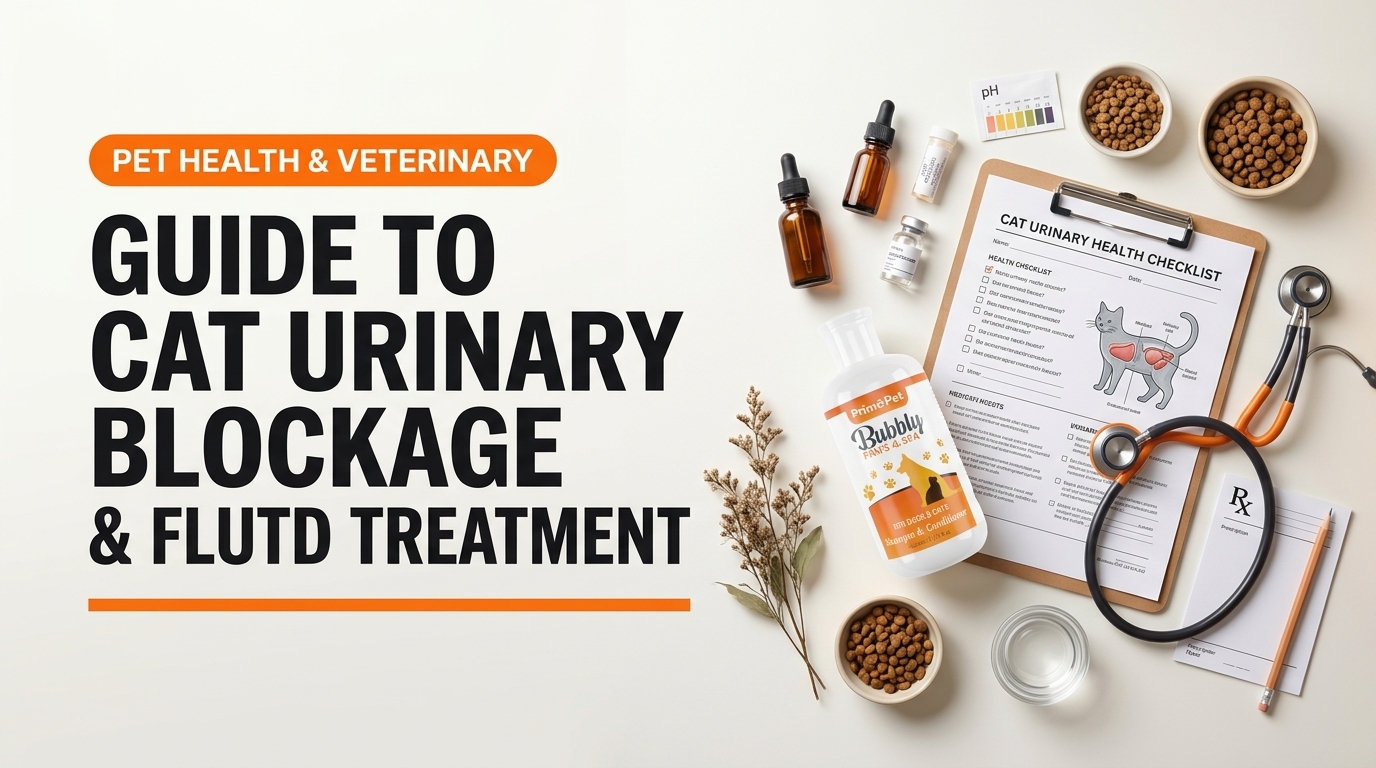
Guide to Cat Urinary Blockage and FLUTD Treatment - cat urinary blockage treatment
When a tomcat squats repeatedly in his litter box and produces nothing but agonizing cries, every second counts. Finding emergency cat urinary blockage treatment is not something that can wait until morning. This practical clinical guide walks you through the harsh realities of feline lower urinary tract disease (FLUTD), a painful spectrum of disorders where a physical plug halts urine flow completely. Within hours, trapped waste poisons your pet's bloodstream. Recognizing the problem right away is the single most important step you can take to save his life.
Table of Contents
- Recognizing Feline Urethral Obstruction: Why Immediate Action Saves Lives
- What Are the Critical Early Signs of a Blocked Cat?
- Emergency Clinical Cat Urinary Blockage Treatment Procedures at the Vet Clinic
- Inpatient Hospitalization: What to Expect During the First 24 to 72 Hours
- When Is Surgery Necessary? Understanding Perineal Urethrostomy (PU)
- Post-Procedure Home Care and Convalescent Hygiene for Recovering Cats
- How to Prevent Recurrent Urinary Blockages Through Diet and Hydration
- Why Does Stress Cause Feline Urinary Issues, and How Can You Manage It?
- Partnering with Prime Pet for Long-Term Feline Wellness and Care
Think of your cat's urinary tract as a home plumbing system. The kidneys filter out toxins, washing them down into the bladder for storage. A narrow muscular tube called the urethra carries that liquid waste out of the body. In male cats, this exit pipe narrows down to the width of a tiny needle tip. When fine mineral crystals, mucous, or swelling gum up this narrow passageway, urine has nowhere to go. The bladder stretches tight like an overfilled water balloon. Backed-up toxins quickly flood the bloodstream, spiking blood potassium to dangerous levels that can stop the heart in 24 to 48 hours, as detailed in veterinary clinical studies on urethral obstruction.
Too many owners mistake this straining for constipation. Pet parents frequently jump into online forums asking whether to rush to an emergency animal clinic or sleep on it. Waiting can cost your cat his life. In urban hubs across Pakistan like Lahore, Karachi, and Islamabad, emergency veterinary hospitals carry the sterile catheters, IV fluids, and sedatives needed to relieve this pressure. Navigating comprehensive cat urinary blockage treatment involves rapid hospital stabilization, followed by diligent home management to prevent a relapse.
Understanding how physical blockages form inside the urinary tract gives you the upper hand when time is running out. This helpful video illustrates how mineral buildup clogs delicate biological pathways:
A blocked urethra is an intense physical trauma. Once your veterinary team clears the obstruction, your primary job at home is keeping your cat calm and comfortable. Heightened stress causes sudden bladder spasms that can trigger another blockage right away. Prime Pet provides direct access to reliable healthcare guidance and genuine wellness supplies across Pakistan to make home recuperation smoother. External irritations like flea bites or skin inflammation can send a recovering cat's stress through the roof. Keeping an authentic bottle of PrimePet Medicated Shampoo 330ml (PKR 1,500) on hand allows you to eliminate ticks, fleas, and mites on contact while soothing raw skin. By keeping parasites away and the coat clean, you remove avoidable stress so your cat can heal peacefully.
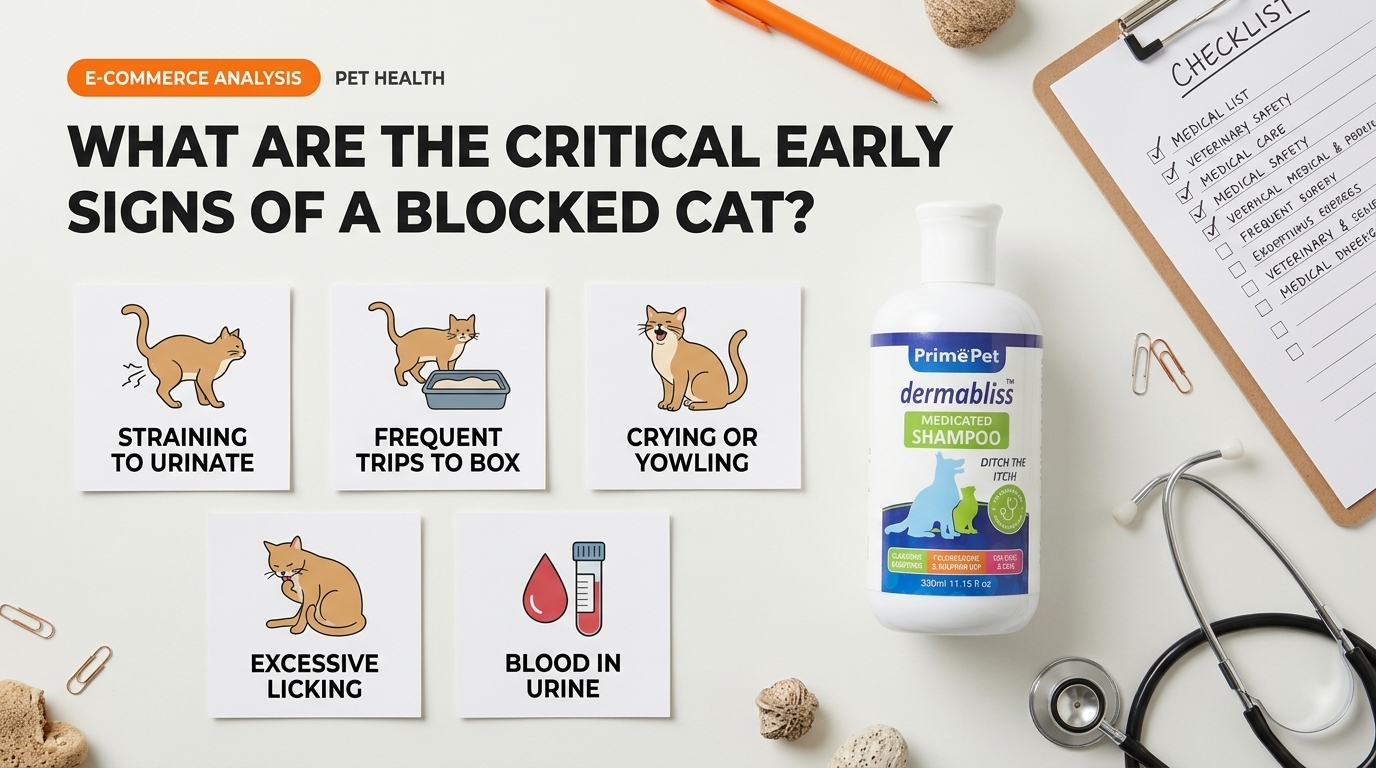
What Are the Critical Early Signs of a Blocked Cat?
A cat with a blocked urethra doesn't have days to spare. They have hours.
Feline urethral obstruction is a rapid medical crisis that strikes without warning. Pet parents often miss early clues because felines excel at masking vulnerability. By the time an owner notices something is wrong, the bladder might already be swollen to the size of a hard baseball. Recognizing the early red flags separates a straightforward catheterization from a life-threatening veterinary emergency.
The most deceptive early signal is repeated, unproductive straining. You might walk past the litter box and see your cat squatting low with back legs trembling. He digs frantically, hops out, wanders in a tight circle, and returns to the tray two minutes later. Nothing comes out.
Clinical Pearl: Never assume a straining cat is constipated. Feline constipation is uncomfortable, but complete urethral obstruction can cause acute renal failure and cardiac arrest in under 36 hours.
Many pet parents in cat care support forums discussing urinary emergencies report wasting precious hours offering pumpkin or hairball remedies because they thought their tomcat was backed up with dry stool. If a cat visits the litter box repeatedly and leaves behind only dry litter or a single tiny droplet, treat the situation as an immediate blockage until proven otherwise.
Recognizing Symptoms That Demand Immediate Cat Urinary Blockage Treatment
A healthy cat urinates quietly and leaves the box within seconds. When microscopic mineral stones, mucus plugs, or severe muscle spasms choke the narrow urethra, emptying the bladder becomes excruciating. The pain triggers unmistakable behavioral shifts:
- Distress vocalization: Cats rarely make loud noises in the litter box. A blocked cat will yowl, howl, or growl in agony while squatting.
- Abdominal guarding: A normal cat's bladder feels soft and tiny, like a deflated grape. A blocked bladder turns firm, hot, and distended. Your cat will hiss, snap, or pull away if you touch their belly.
- Hematuria (blood in the urine): Straining pushes sharp crystals against the inflamed bladder wall. You may notice pinkish droplets on bathroom tile, rust-colored litter, or red streaks on rugs.
- Compulsive genital grooming: Intense burning leads the cat to lick their penis or prepuce obsessively. The area often appears swollen, red, or raw from coarse tongue friction.
- Urinating in strange places: Cats associate the litter box with the sharp pain they feel. They will squat in cool bathtubs, on laundry piles, or directly on tile floors in an attempt to find relief.
During these episodes, cats frequently dribble tiny amounts of urine across their hind legs and tail, leaving them messy and vulnerable to secondary skin inflammation. Once your cat is safely examined and stabilized by your veterinarian, maintaining coat cleanliness matters. For gentle post-accident hygiene, PrimePet Medicated Shampoo 330ml (PKR 1,500) cleanses urine-scalded skin while eliminating pests like fleas and ticks that could further stress an uncomfortable, convalescing pet.
The visual distinction between typical box habits and an acute blockage is stark. Review the side-by-side behavioral signs below:
| Observed Behavior | Normal Feline Urination | Urethral Obstruction Crisis |
|---|---|---|
| Box Visits | 2 to 4 times per day | Pacing in and out constantly (10+ times an hour) |
| Urine Clump Size | Tennis-ball to golf-ball sized clumps | Dime-sized spots, blood streaks, or zero urine |
| Sound & Posture | Silent, relaxed squat | Arched back, yowling, crying out, heavy panting |
| Overall Demeanor | Curious, energetic, content | Restless agitation followed by profound lethargy |
Watching real footage of how a cat positions itself during an obstruction helps you act with total confidence. The guide below illustrates physical postures and litter box behaviors that confirm a blockage emergency:
What happens if these physical warnings go unnoticed? The crisis deepens quickly. Toxic metabolic waste, including potassium and blood urea nitrogen, backs up into the bloodstream. This internal poisoning is called uremia.
Once uremia sets in, the cat stops pacing. They stop grooming. Severe lethargy takes over. The cat will tuck themselves beneath heavy furniture, refuse all treats, vomit frothy yellow bile, and collapse onto their side with cold extremities. Dangerous spikes in potassium slow the heart to a crawl. When a cat reaches this stage, you must seek emergency cat urinary blockage treatment immediately to restore urethral patency and stabilize their failing cardiovascular system.
Emergency Clinical Cat Urinary Blockage Treatment Procedures at the Vet Clinic
Minutes matter when you arrive at the clinic with an obstructed cat. The front-desk team will usually bypass the waiting room and whisk your pet straight back to the treatment area. Every second counts. A veterinary team approaches feline urethral obstruction with an aggressive, choreographed protocol designed to stabilize the heart, relieve pressure, and protect kidney function.
The veterinarian begins with a rapid physical exam. They will gently palpate your cat's lower abdomen. Normally, a cat's bladder feels soft, pliable, and about the size of a grape. In an obstructed cat suffering from feline lower urinary tract disease (FLUTD), that bladder feels like a rock-hard baseball ready to burst. Touching it causes intense vocalization and distress. If the obstruction has persisted for more than 24 hours, the cat may be hypothermic, weak, or completely unresponsive.
This clinical walkthrough shows the precision veterinary teams use when placing a catheter to restore urine flow and relieve bladder pressure safely.
Step-by-Step Cat Urinary Blockage Treatment in the ER
Executing an effective cat urinary blockage treatment plan requires speed, gentle hands, and constant monitoring. The clinical process moves through five distinct, life-saving stages:
- Triage and Bloodwork (Checking for Hyperkalemia): When urine cannot escape, toxins and electrolytes build up in the bloodstream. The most dangerous of these is potassium. High potassium (hyperkalemia) acts like an electrical disruptor to the heart muscle, slowing heart rate down to dangerous levels. The team pulls a drop of blood for an emergency point-of-care test and hooks up an electrocardiogram (ECG). If potassium levels are dangerously high, the vet immediately injects calcium gluconate into a vein. Calcium doesn't lower potassium, but it shields the heart muscle from stopping while the medical team works.
- Cardiovascular Stabilization and IV Access: The veterinary technician places an intravenous catheter into a front leg vein. Fluid therapy starts immediately to correct dehydration, dilute circulating blood toxins, and restore blood pressure.
- Multimodal Pain Relief and Sedation: Unblocking a conscious cat is inhumane and clinically counterproductive. Intense pain causes the tiny urethral muscles to spasm shut. The veterinary team administers fast-acting pain medications alongside carefully chosen sedatives that relax the urethral sphincter without dropping heart function.
- Retrograde Urohydropulsion (Clearing the Plug): With the cat comfortably resting under sedation, the vet exteriorizes the penis and gently introduces a sterile, lubricated catheter (such as a 3.5 French tomcat or slippery sam catheter). Using a syringe of sterile saline, the vet gently flushes fluid forward against the blockage. This hydraulic pressure pushes the gritty matrix of struvite crystals, inflammatory cells, and mucus backward into the wide space of the bladder. Vets never force a catheter inward against resistance; doing so risks tearing the paper-thin urethra.
- Bladder Decompression and Repeated Flushing: Once the catheter enters the bladder, backed-up urine empties immediately. It is often dark brown, port-wine red, and thick with debris. The team connects syringes and flushes the bladder with warm, sterile saline over and over until the fluid runs pale yellow and clear.
"Urinary obstruction is an emergency situation that requires immediate veterinary attention," notes one frantic owner among many caregivers discussing possible urethral obstruction online. Delaying intervention even by a few hours can turn a manageable blockage into acute kidney failure or a ruptured bladder.
After the bladder is thoroughly cleaned, the vet secures an indwelling soft catheter in place with sutures to the prepuce. They attach this tube to a sterile, closed collection bag. This closed system lets the veterinary staff measure exact urine output hour by hour, which is essential for managing the recovery phase.
According to PetMD's emergency blockage guide, clearing the physical plug is only half the battle. Once relieved, cats experience post-obstructive diuresis. Their kidneys go into overdrive, dumping gallons of dilute urine to flush accumulated urea and creatinine from the bloodstream. Without continuous, matched IV fluids running into their veins, an unblocked cat can dehydrate within hours despite producing huge puddles of urine.
During emergency admissions, pet owners are often shocked by how disheveled their cat appears. Straining cats frequently leak urine over their bellies, legs, and tails, causing painful urine scald on their skin. Stress also triggers intense grooming, which worsens fur mats and exposes hidden skin problems. Once your companion survives the initial crisis and returns home stable, overall body comfort becomes central to keeping stress low. External parasites like fleas, ticks, or lice create relentless itching that spikes feline cortisol and triggers FLUTD flare-ups. Washing your pet with PrimePet Medicated Shampoo 330ml (PKR 1,500) effectively eliminates irritating pests upon contact. Its soothing formula cleanses urine-stained fur and provides immediate skin relief, giving your cat the serene, irritation-free environment needed to prevent stress-related urinary relapses.
Inpatient Hospitalization: What to Expect During the First 24 to 72 Hours
Passing a catheter through a swollen urethra brings immediate relief. But the emergency isn't over yet. The real fight to protect your cat's kidneys and stabilize their metabolism happens in the veterinary hospital over the next 24 to 72 hours.
Many pet owners feel overwhelmed leaving their pet behind. Pet parents on community forums often voice deep anxiety about what happens behind closed clinic doors during this observation window. They wonder why their cat can't just rest at home right away. The truth is simple: sudden metabolic shifts right after clearing a blockage can turn fatal without round-the-clock intensive care.
Critical Monitoring in Cat Urinary Blockage Treatment: The First 72 Hours
During modern cat urinary blockage treatment, the veterinary team connects the indwelling catheter to a closed collection system. This system consists of a sterile collection line running directly into a sealed drainage bag. Keeping the line closed prevents airborne bacteria from crawling up the tubing and causing a nasty bladder infection.
The collection bag serves another vital job. It lets veterinary nurses measure exact urine volume down to the milliliter every hour. This tracking is mandatory because of a dangerous condition called post-obstructive diuresis (POD).
Think of your cat's urinary tract as a blocked firehose. While obstructed, toxins and waste build up behind the dam. Once the plug clears, the kidneys open their floodgates, dumping massive amounts of fluid and electrolytes. If the vet doesn't match this output with intravenous (IV) fluids drop for drop, your cat can quickly dehydrate and slip into shock.
According to the MSPCA-Angell clinical guidelines for urethral obstruction, an indwelling urinary catheter remains in place anywhere from 24 to 72 hours. During this period, the medical staff actively balances your cat's internal chemistry through targeted therapies.
Seeing inside the feline urinary tract explains why the bladder requires days of rest. The medical explanation above details how inflammation, bleeding, and mucosal tearing affect the urinary lining during severe blockage events.
Stabilizing Organ Function and Relieving Urethral Spasms
Treating feline lower urinary tract disease (FLUTD) during hospitalization focuses on three clear clinical priorities: clearing toxins, knocking out visceral pain, and relaxing the urethral muscles.
- Serial Biochemistry Panels: Your vet runs repeated blood tests to monitor blood urea nitrogen (BUN) and creatinine. These numbers reveal how well the kidneys filter waste. They also watch potassium levels like a hawk. High potassium stops the heart, while rapid drops during post-obstructive diuresis cause severe muscle weakness.
- Veterinary Opioids: Bladder distension hurts immensely. The veterinary team uses injectable opioids like buprenorphine or methadone to keep cats resting comfortably. Non-steroidal anti-inflammatory drugs (NSAIDs) are usually held back until kidney values return completely to normal.
- Smooth Muscle Antispasmodics: The urethra is lined with sensitive smooth muscle. Catheters cause local friction, triggering severe muscle spasms that can re-block the cat immediately after the tube comes out. Medications like prazosin relax these smooth muscles, keeping the narrow pathway open.
To help you understand your cat's hospital stay, here is how the typical care plan unfolds hour by hour:
| Timeframe | Clinical Focus | Primary Goal |
|---|---|---|
| Hours 0 to 24 | Managing high-volume fluid output; aggressive IV therapy; repeated electrolyte checks. | Reverse kidney strain and survive post-obstructive diuresis. |
| Hours 24 to 48 | Bladder rest; transition to oral antispasmodics; monitoring urine clarity. | Allow the bladder lining to shed blood clots and sloughed tissue. |
| Hours 48 to 72 | Catheter removal; step-down IV fluid tapering; observing the litter box. | Confirm self-directed, unassisted urination without straining. |
Published studies on feline urethral obstruction protocols define true clinical success as spontaneous urination within 24 hours of catheter removal. If your cat strains without producing a stream after the catheter leaves, the vet must act fast to prevent a secondary blockage.
Preparing for the Recovery Transition
Long hospital stays take a physical toll on a cat. Sedatives, IV fluid lines, and indwelling lines leave pets feeling greasy, messy, and fatigued. Urine leakage around catheter sites can soil hind limbs, leading to urine scalding and skin irritation.
A convalescing cat often stops grooming entirely for several days after returning home. Unwashed skin creates ideal conditions for secondary dermatitis, itchiness, and external parasites like mites or fleas to take hold while their natural defenses stay low. Once your veterinarian clears your cat for normal handling, bathing them with PrimePet Medicated Shampoo 330ml (PKR 1,500) provides soothing relief. Its balanced formula eliminates common pests like ticks, fleas, and mites on contact while cleansing dried residue from the coat to stop itching before it starts.
Keep your home environment calm and peaceful while your cat completes their hospital stay. Once their blood tests normalize and they produce steady urine streams on their own, the clinic team will hand you discharge instructions to begin the next phase of home healing.
When Is Surgery Necessary? Understanding Perineal Urethrostomy (PU)
Emergency catheterization saves lives. Yet, some cats block repeatedly. When standard catheterization fails to keep the urinary path open, perineal urethrostomy serves as an advanced cat urinary blockage treatment that fundamentally changes the anatomy to prevent fatal relapses.
Indications for Surgical Cat Urinary Blockage Treatment
Veterinarians consider surgery a salvage procedure. That means doctors reserve it for situations where conservative medical management cannot keep your cat safe. Think of a male cat's urethra like a long garden hose that narrows sharply into a tiny nozzle at the very end. That narrow nozzle is where crystals, mucus plugs, and stones get stuck. Repeated catheterizations can tear or scar this delicate tissue, creating strictures—thick bands of scar tissue that permanently pinch the pipe shut.
Your vet will typically recommend surgery under three specific conditions:
- Recurrent Obstructions: Cats that become "repeat offenders" within days or months of being unblocked.
- Severe Urethral Stricture: Scar tissue buildup that prevents a standard urinary catheter from passing into the bladder.
- Penile Trauma or Necrosis: Irreversible tissue damage caused by repeated catheter placement, pressure necrosis, or severe pelvic trauma.
"PU surgery does not cure the underlying bladder inflammation or stop crystal production. It simply widens the exit door so debris can pass out freely without causing a lethal roadblock."
If your cat battles chronic feline idiopathic cystitis (FIC), microscopic debris will keep forming. The goal of surgery is purely mechanical: give those particles an unobstructed path out of the body.
How Perineal Urethrostomy (PU) Redesigns Feline Anatomy
During a perineal urethrostomy (frequently shortened to PU surgery), a veterinary surgeon removes the narrowest, exterior portion of the penis. The surgeon then dissects deeper into the pelvic canal to locate the wider section of the urethra. By making an incision along this wider canal and suturing the urethral lining directly to the external perineal skin, the surgeon creates a new, permanent urinary opening that closely mimics female anatomy.
Visualizing this surgical restructuring helps demystify why the procedure is so effective at preventing future emergencies. Watch this clinical overview to see how veterinary surgeons widen the urethral passage:
The newly constructed opening sits beneath the anus. Because the narrow tip is gone, grit, inflammatory plugs, and small bladder stones pass into the litter box unnoticed instead of lodging painfully in the tract.
Surgical vs. Non-Surgical Management
| Factor | Medical Unblocking | Perineal Urethrostomy (PU) |
|---|---|---|
| Anatomy Alteration | None; urethra remains original shape. | Permanent widening; converts to a female-like opening. |
| Re-obstruction Risk | High (up to 30–40% recurrence rate). | Extremely low at the surgical site once healed. |
| Recovery Window | 2 to 5 days in clinic. | 2 to 3 weeks of strict confinement and e-collar wear. |
| Post-Op Infection Risk | Standard urinary tract infection risk. | Lifelong elevated risk of bacterial cystitis due to wider opening. |
Postoperative Expectations and Lifelong Realities
The first two to three weeks after surgery demand unwavering vigilance. The surgical site is vascular, delicate, and prone to bruising. Swelling is normal, and you might notice small drops of blood in the urine during the first few days. A rigid Elizabethan collar (e-collar) is strictly non-negotiable. If a cat licks the surgical site even once, rough barbed tongues can tear fresh sutures, ruining the new stoma and triggering catastrophic scar formation.
As documented by Reddit cat owners sharing post-PU surgery struggles, the first three to six months represent the critical window for long-term success. If the opening heals without narrowing during this phase, your cat will likely never suffer a physical blockage again.
You must switch your cat to paper-based pellet litter during recovery. Clay and clumping litters stick to open wounds, creating severe irritation and infection risk. During this rest period, cats spend weeks in small rooms or crates. Inactivity, restricted movement, and messy accidents can take a toll on their skin. Once the surgical incision has completely closed and your vet removes all sutures, maintaining coat health becomes a priority.
If your recovering pet struggles with irritated skin, damp fur, or fleas brought home from a hospital stay, consider gentle grooming support. For cats dealing with secondary skin pests or coat itchiness during recovery, PrimePet Medicated Shampoo 330ml (Primepet Medicated) provides a reliable option at PKR 1,500. Its targeted formula knocks out external parasites like mites, fleas, and lice upon contact while soothing scratch-prone skin, ensuring your convalescing cat remains comfortable without aggravating sensitive areas.
Look out for the common trade-off of this surgery: bacterial urinary tract infections. Because the urethra is now shorter and wider, bacteria travel upward into the bladder more easily. Schedule routine urinalysis checks every six to twelve months. With good hydration, stress control, and close monitoring, most cats live happy, active, and obstruction-free lives after healing.
Post-Procedure Home Care and Convalescent Hygiene for Recovering Cats
Bringing your cat through the front door after emergency intervention brings immense relief. Yet, the true test of endurance begins right on your living room floor. The first seventy-two hours at home require active, round-the-clock nursing. Your cat's urethra is inflamed, sore, and recovering from mechanical irritation. Understanding what is normal during this convalescent window keeps you from panicking, while helping you spot genuine medical emergencies before they turn fatal.
Monitoring Urination Patterns After Cat Urinary Blockage Treatment
Your cat will not walk out of the clinic urinating like a healthy animal. Catheterization leaves the urethral lining raw and prone to involuntary muscle spasms. Because of these spasms, your cat might run back and forth to the litter box ten times in an hour, producing only a dime-sized puddle each time. This frequent, painful voiding is called dysuria, and it is a common consequence of acute bladder inflammation.
You must distinguish between inflamed straining and a mechanical re-blockage. As detailed in the AAHA post-obstruction recovery principles, clinical teams watch voiding quality closely because urethral re-obstruction occurs in roughly 15% to 20% of cats within the first week. Think of the recovering urethra like a swollen, bruised garden hose: drops can squeeze past the swelling, but a complete lack of flow means immediate trouble.
| Observation | Expected Convalescent Behavior | Emergency Warning Sign |
|---|---|---|
| Litter Box Output | Small, quarter-sized puddles produced with mild vocalization. | Zero drops produced after prolonged, painful straining. |
| Urine Appearance | Faint pink or light rose tint from minor post-procedure bleeding. | Frank, dark red blood clots or thick purulent discharge. |
| Demeanor & Appetite | Quiet, sleepy, but willing to take lickable treats and water. | Persistent vomiting, severe lethargy, hiding, or painful yowling. |
Set up a confined recovery suite in a quiet room with warm tile or linoleum flooring. Avoid clay litter during this initial week. Heavy, dusty clumping litter clings to moist, irritated prepuces and creates painful paste blockages at the tip of the penis. Instead, switch to non-clumping recycled paper pellets or shredded paper towels so you can track puddle size and color accurately.
Managing Post-Catheter Urine Leakage and Coat Hygiene
Involuntary urine leakage frequently troubles cats returning from intensive feline urethral obstruction care. The temporary urinary catheter gently dilates the urethral sphincter. Until muscular tone rebounds, your pet may dribble caustic, alkaline urine across their hind legs, tail, and abdomen while resting. When concentrated urine sits on delicate skin, it breaks down the natural lipid barrier within hours. This condition, known as urine scald, leaves the skin raw, bright red, and intensely painful.
Urine scald hurts just as badly as an open heat burn. A cat dealing with burning hindquarters will groom compulsively, tearing out hair and introducing secondary bacterial infections straight into an already compromised urinary tract.
Do not attempt full, stressful immersion baths with a fragile cat recovering from metabolic shock. Instead, practice targeted hindquarter spot-cleansing twice daily. Dampen a soft cloth with warm water to loosen crusts, followed by an intentional wash using an authentic, therapeutic cleanser.
For safe convalescent skin hygiene, we recommend PrimePet Medicated Shampoo 330ml (PKR 1,500). Formulated to be powerful yet gentle on damaged feline tissue, this medicated wash cleanses soiled fur down to the root, lifting dried urine crystals without stripping the coat's natural oils. It offers immediate relief from the burning itch of localized dermatitis, soothing inflamed skin around the perineum so your pet stops aggressive overgrooming.
Convalescing cats stay grounded for days. They cannot groom or evade common pests. PrimePet Medicated Shampoo 330ml also actively guards your healing companion against external parasites, eliminating fleas, ticks, mites, and lice upon contact at an accessible price of PKR 1,500. Apply a small lather directly to the soiled tail base and hind legs, gently rinse with a damp cloth, and pat the area completely dry with a clean towel. Keeping this vulnerable zone sanitary shields your cat from painful secondary complications while their urinary tract quietly heals.
How to Prevent Recurrent Urinary Blockages Through Diet and Hydration
Surviving an emergency obstruction is only the first step. The hardest work begins once your cat steps back through your front door. Without targeted changes to what enters your cat's food bowl and water dish, urethral obstructions return in up to 30% of cases within the first six months. Long-term success requires transforming your cat's urinary chemistry and flooding their system with fluids.
Veterinarians treat this phase as an ongoing medical plan rather than a casual feeding choice. As experienced feline caretakers often observe in discussions on preventing urinary blockages in male cats, keeping water flowing steadily through the bladder acts as the ultimate natural flush against microscopic debris.
In the video above, clinical veterinarians break down how bladder sediment turns into life-threatening plugs and explain why targeted post-hospitalization routines safeguard vulnerable male cats from repeat trips to the emergency room.
Dietary Adjustments in Long-Term Cat Urinary Blockage Treatment
Prescription diets are not just premium pet food. They are formulated medicine. When a male cat suffers an obstruction, the blockage is usually caused by either a soft matrix plug mixed with struvite crystals or hard calcium oxalate stones. These two crystal types form under completely different chemical conditions in the bladder.
Think of urine like a glass of warm water. If you stir in a spoonful of sugar, it dissolves easily. If you dump in ten spoonfuls without adding more liquid, the sugar falls out of solution and collects at the bottom. Crystals work the exact same way. When urine becomes overly concentrated or shifts to the wrong pH, microscopic minerals fuse into jagged microscopic sand.
| Mineral Type | Urine pH Environment | Dietary Mechanism of Action |
|---|---|---|
| Struvite (Magnesium Ammonium Phosphate) | Alkaline (pH > 7.0) | Formulated to acidify urine (target pH 6.2–6.4), directly dissolving existing crystals and preventing new sediment from fusing. |
| Calcium Oxalate | Acidic to Neutral (pH < 6.2) | Cannot be dissolved once formed. Diets use controlled calcium, sodium, and citrate levels to stop crystals from binding. |
Feeding an off-the-shelf maintenance kibble after catheterization puts your cat right back in harm's way. Prescription diets maintain a precise urinary pH window and use Relative Supersaturation (RSS) technology to keep minerals dissolved in liquid form so your cat safely expels them during normal urination.
Aggressive Hydration Tactics for Desert Animals
Domestic cats descended from African wildcats. Because their ancestors evolved in arid climates, modern cats have an extremely weak natural thirst drive. They don't naturally run to a water bowl when their kidneys start filtering concentrated waste. In the wild, they got up to 70% of their daily moisture straight from raw prey.
Standard dry kibble contains only 8% to 10% water. A cat eating dry food lives in a state of chronic, low-grade dehydration unless you actively intervene. That makes canned wet food the foundation of effective cat urinary blockage treatment. Wet food delivers roughly 75% to 80% moisture per serving, instantly doubling your cat's daily fluid intake and producing higher-volume, diluted urine.
"Dilution is the solution to pollution. A full, clear bladder empties frequently, washing away inflammatory proteins, sloughed bladder cells, and microscopic grit before they can aggregate into a deadly plug."
If your cat is stubborn and refuses to eat wet pâté right away, try these practical fluid-boosting strategies:
- Flavor the water: Add a tablespoon of warm water or unsalted, onion-free homemade bone broth to their meals. Mix it into a gentle gravy.
- Ditch stagnant bowls: Cats instinctively avoid still water because stagnant pools in nature harbor bacteria. Stainless steel or ceramic circulating fountains entice them to drink far more throughout the day.
- Separate food and water: Cats hate smelling their food while drinking. Place water stations in quiet rooms at least six feet away from feeding bowls.
Water Strategies and Pakistani Household Management
Managing a recovering cat in Pakistan comes with environmental challenges that require proactive adjustments. Urban municipal tap water across Karachi, Lahore, and Rawalpindi frequently carries high Total Dissolved Solids (TDS), heavy mineral loads, and chemical treatments that alter water taste and bladder health. Always fill your cat's bowls and fountains with reverse-osmosis (RO) filtered water or boiled and cooled water. If the local water leaves chalky white scaling around your taps, it is far too mineral-heavy for a cat prone to urethral stones.
Summer heat waves compound the problem. In temperatures climbing past 40°C, cats lose body water quickly through respiration, concentrating their urine within hours. Set up multiple cool drinking stations in air-conditioned or well-ventilated rooms, away from direct sunlight.
Litter box setup demands equal vigilance. In humid regions, clumping bentonite clay absorbs moisture from the air, trapping ammonia smells and turning litter into sticky cement. When a box smells bad or feels damp, a cat will hold their urine for hours. Urine holding gives microscopic crystals the resting time they need to settle and bind together.
- Keep to the N+1 rule: Provide one more litter box than the total number of cats in your home.
- Scoop twice daily: Remove waste morning and evening so the cat never hesitates to step inside.
- Avoid noisy spots: Never place litter boxes next to loud appliances, back-up generators, or clattering inverter UPS units that could frighten your cat mid-urination.
Long-term recovery also relies on external comfort. Cats returning home after catheterization frequently experience mild urinary incontinence or dribble urine across their belly and hind legs. Wet fur attracts dirt, causes painful urine scald, and invites pests. Bathing the hindquarters with PrimePet Medicated Shampoo 330ml (PKR 1,500) wipes out fleas, ticks, and mites on contact while cooling irritated, inflamed skin. Keeping external parasites off your cat removes an unnecessary source of physical agitation, keeping their central nervous system relaxed so the urinary tract can heal uninterrupted.
Why Does Stress Cause Feline Urinary Issues, and How Can You Manage It?
Most pet parents assume a feline urinary emergency starts with an infection or a bladder stone. The clinical reality is often surprising: the vast majority of non-infectious flare-ups stem from the feline nervous system. Feline Idiopathic Cystitis (FIC) accounts for well over half of all feline lower urinary tract disease (FLUTD) cases. When a cat faces emotional or environmental disruption, their body mounts an exaggerated neurohormonal fight-or-flight response that directly attacks their own urinary tract.
Understanding this brain-bladder connection changes how we approach recovery. The brain talks directly to the urinary bladder through sympathetic nerves. In a stressed cat, the brain floods the system with catecholamines like adrenaline and noradrenaline. At the same time, their adrenal glands struggle to produce enough natural cortisol to turn off that alarm bell. This imbalance strips away the protective glycosaminoglycan (GAG) layer shielding the bladder wall.
Think of the depleted GAG layer like severe sunburn on delicate skin. The moment acidic urine touches that exposed, raw tissue, sensory nerves fire violently. This signal races down the spinal cord, telling the smooth muscle around the narrow male urethra to clamp shut like an over-tightened clamp.
This neurohormonal chain reaction produces swelling, sloughed bladder tissue, red blood cells, and intense urethral spasms. Even without large mineral stones, this inflammatory debris forms a thick, gelatinous plug. Trapped behind a spasming muscular tube, that plug creates a full-blown life-threatening obstruction.
This cycle explains why cats frequently relapse right after returning home from an emergency clinic. A distressed owner in a post-obstruction cat recovery discussion on Reddit described how their cat suffered a second blockage just 24 hours after hospital discharge. The sudden transition between clinical caging, car rides, strange scents, and lingering pain triggers massive sympathetic nerve stimulation, causing immediate urethral clamping.
Veterinary specialists often categorize this systemic sensitivity under the umbrella of Pandora Syndrome, as explored by the SAGE Compassion for Animals clinical guide. In this video, veterinary clinicians break down why managing environmental triggers is just as vital as physical catheterization.
Integrating Stress Management into Cat Urinary Blockage Treatment Plans
Treating the physical plug relieves the immediate crisis, but managing chronic anxiety prevents the next one. A comprehensive cat urinary blockage treatment protocol must extend into the home, focusing on environmental modification, territory security, and chemical communication.
Cats need predictable routines and dedicated territory to feel safe. When resources are contested or unpredictable, internal tension spikes rapidly.
- Establish dedicated sanctuary zones: Set aside a quiet room away from loud appliances, playful children, and other pets. Equip this space with elevated resting perches, soft bedding, and low-sided litter trays that do not require painful crouching.
- Deploy synthetic feline facial pheromones: Diffusers that release feline facial pheromone analogs signal safety and comfort to an agitated cat. Place these diffusers in rooms where your cat spends most of their resting hours.
- Master multi-cat dynamics: Inter-cat friction often happens in silence without hissing or swatting. One cat blocking a hallway or staring at a litter box entryway can prevent an anxious cat from urinating. Follow the N+1 rule: provide one litter box per cat, plus one extra, spread across different rooms rather than lined up side by side.
- Provide horizontal and vertical enrichment: Cats feel most secure when observing their surroundings from a height. Cat trees, window shelves, and scratching posts satisfy their instinctive drive to survey territory and stretch without anxiety.
Minimizing physical discomfort also plays an overlooked role in reducing stress. Chronic physical irritants tax the immune system and increase systemic cortisol, leaving a cat more susceptible to inflammatory flare-ups. Flea bites, mite infestations, and matted coats loaded with trapped dander create constant background agitation.
For cats recovering from urinary episodes or dealing with post-hospital hygiene issues, maintaining clean skin is essential. We recommend using PrimePet Medicated Shampoo 330ml (PKR 1,500). Its targeted, gentle formula eliminates ticks, fleas, mites, and lice upon contact while offering fast relief from persistent skin irritation. Clearing away parasites and soothing inflamed skin removes an unnecessary physical stressor, helping your cat focus all their physiological energy on smooth bladder recovery.
Watch your cat's subtle body language. Dilated pupils, tail twitching, excessive grooming of the lower belly, and hesitating at the litter box box threshold are early warning signs of rising anxiety. Address these micro-stressors immediately before urethral muscles begin to seize.
Partnering with Prime Pet for Long-Term Feline Wellness and Care
Urinary blockages don't wait. When a urethral plug halts urine flow, toxic metabolic waste backs up into the bloodstream within hours. Prompt veterinary catheterization, pain control, and intravenous fluids pull your feline companion back from the brink. In fact, clinical data on feline urethral obstruction survival rates reveals that over 90 percent of blocked cats survive to discharge when owners act immediately. Your fast reaction makes all the difference.
Sustaining Recovery After Cat Urinary Blockage Treatment
Surviving the initial emergency clinic visit is a massive relief, but it's only the first phase. Completing the full course of cat urinary blockage treatment means protecting your cat from painful secondary flare-ups every single day. Feline lower urinary tract disease (FLUTD) thrives on environmental stress, low moisture intake, and physical discomfort. You must transition your cat to high-moisture canned food, maintain pristine litter boxes, and ensure continuous hydration with clean water fountains throughout your home.
In community forums like Reddit, many caregivers participating in feline longevity discussions among devoted pet owners admit that post-obstruction anxiety can feel overwhelming. They want their cats to live long, pain-free lives without constant fear of a relapse. We understand that worry. Recovery requires quiet routines, soothing spaces, and vigilant observation.
Reviewing visual caregiver guidance helps pet parents monitor recovering cats for subtle behavioral shifts and strain postures at home:
Post-procedure convalescent hygiene also plays an unexpected role in keeping urinary tract inflammation away. When cats return from inpatient hospitalization, their coats are often soiled around the perineum, and external parasites like fleas or mites can quickly trigger intense scratching and agitation. Systemic stress from unaddressed itching elevates cortisol levels, triggering bladder spasms in cats prone to feline idiopathic cystitis.
To keep your recovering pet clean, relaxed, and pest-free, we recommend PrimePet Medicated Shampoo 330ml. Priced at its authentic direct rate of PKR 1,500, its gentle formula eliminates ticks, fleas, mites, and lice upon contact while soothing irritated skin. Using a reliable, therapeutic wash gives your cat instant relief from dermatological distress, letting their body focus entirely on bladder healing.
"Diligent hydration, stress mitigation, and genuine pet health products form the protective wall that keeps your cat out of the emergency clinic."
Prime Pet stands beside you across Pakistan as your primary, trusted resource for genuine, vet-approved pet essentials. We don't believe in compromises when your pet's life is on the line. Whether you need specialized convalescent hygiene supplies, authentic recovery nutrition, or dependable guidance to manage chronic FLUTD, our team is committed to keeping your cats vibrant, resilient, and thriving for years to come.
Dr. Attaur Rehman (DVM)
Certified Veterinary Surgeon and Founder of Prime Pet Pakistan. Lab-formulated treatments and authentic clinical care for dogs and cats.