Why Is My Cat's Eye Watery and Swollen? Causes - why is my cat eye watery and swollen
You walk into the room, greet your cat, and immediately notice something is off. One eyelid is clamped shut, weeping clear fluid, and puffing up along the pink conjunctival rim. If you find yourself asking, why is my cat eye watery and swollen, you aren't alone. Feline eyes are delicate, highly sensitive organs. Sudden puffiness or tear overflow signals that the ocular surface is under intense irritation, and pinpointing the root causes quickly protects your feline friend from irreversible corneal damage.
Table of Contents
- Recognizing Ocular Distress in Felines: Early Signs and Risks
- Why Is My Cat Eye Watery and Swollen? Common Causes and Triggers
- How Veterinarians Diagnose Cat Eye Infections and Corneal Damage
- Immediate First-Aid: Safe At-Home Care for Swollen and Weeping Eyes
- Clinical Treatment Protocols: Prescribed Eye Drops, Ointments, and Therapies
- Preventing Eye Irritation Through Facial Hygiene and Gentle Bathing
- Protecting Your Cat’s Vision: When to Seek Immediate Emergency Veterinary Care
A cat's outer eye tissue is fragile. Think of the clear cornea as an ultra-thin sheet of optical glass. Behind it sits the anterior chamber, the iris, and a defensive third eyelid known as the nictitating membrane. When bacteria, viruses, or foreign debris breach the eyelid margin, inflammation escalates fast. The tissue swells, blood vessels engorge, and the third eyelid often slides across the globe like a protective shutter. What looks like simple tearing can conceal deep discomfort.
Cats are masters at hiding pain. By the time a cat begins visibly wincing, rubbing its face against carpet, or shying away from bright lamps, the condition has progressed beyond mild discomfort. Delaying care is risky. Untreated conjunctivitis or minor surface abrasions can quickly degrade into melting ulcers, secondary bacterial infections, or permanent scar tissue that obstructs vision.
Your living environment plays a major role in triggering these flare-ups. In Pakistan, high concentrations of ambient road dust, urban smog, and loose airborne debris create constant challenges for feline eyes. During dry seasonal transitions and peak pollen periods, fine particulate matter settles directly onto the moist ocular film. Indoor cats aren't fully immune either. Ceiling fans churn up accumulated dust, dry air pulls moisture from the eye, and fine litter dust kicks up every time your cat digs in the pan.
When environmental grime clings to facial fur, cats unintentionally rub it into their eyes while washing. Keeping their coat and face free of clinging grit is a straightforward preventative step. A soothing bath using PrimePet Pa & SPA Shampoo (Cat and dogs) 330ml (PKR 600) offers an authentic, tear-free way to remove trapped allergens and dust from the coat. Formulated with buttermilk and shea butter, it cleanses deeply without stinging or irritating sensitive skin near the head, helping you maintain clean surroundings before micro-particles cause ocular distress.
Pay close attention to subtle behavioral shifts. If your cat hides in quiet, dark corners, paws at its muzzle, or blinks unevenly, treat those clues as immediate red flags. Catching ocular distress in its earliest hours makes all the difference between a swift recovery and a prolonged medical ordeal.
Why Is My Cat Eye Watery and Swollen? Common Causes and Triggers
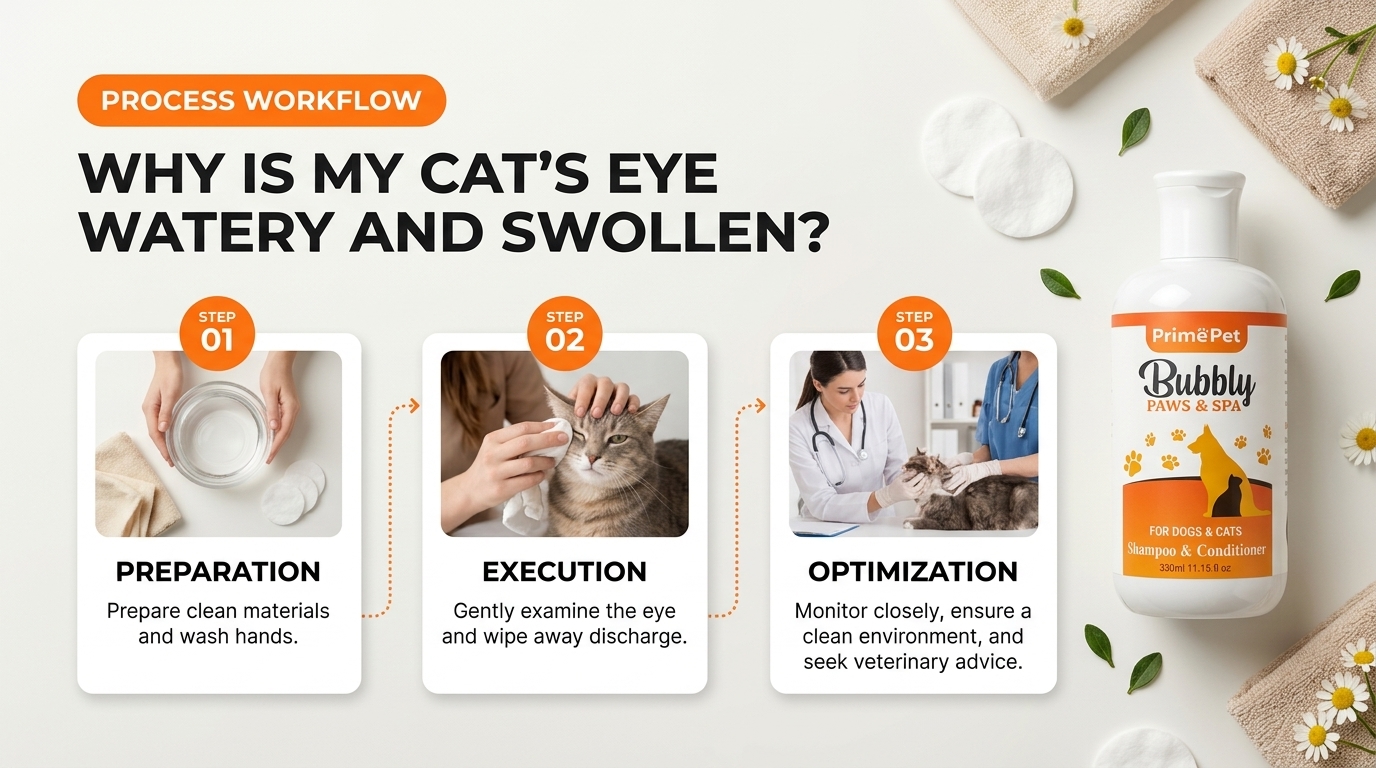
Seeing your cat squint with puffy eyelids can make any pet parent anxious. Ocular inflammation is a protective reaction, not a single illness. When pet parents ask their vet, why is my cat eye watery and swollen, the root cause usually falls into one of three buckets: infectious microbes, physical trauma, or environmental irritants.
Feline eyes are remarkably sensitive. A cat's cornea is thin, and their conjunctival tissue—the pink membrane lining the inner eyelids—reacts aggressively to insults. Within just an hour of contact with an irritant or virus, that lining can puff up like a tiny water balloon. Understanding what sparks this reaction helps you know whether you are dealing with a mild dust flare-up or an urgent infection.
Clinical Answers: Why Is My Cat Eye Watery and Swollen?
Microbial invaders account for the vast majority of feline eye problems, particularly in multi-cat households and shelter rescues. Two specific pathogens drive most cases:
- Feline Herpesvirus-1 (FHV-1): Most cats pick up this virus as kittens. Much like the virus that causes cold sores in humans, FHV-1 never leaves the body. It hides dormant inside nerve cells. When stress, boarding, or weather changes suppress your cat's immune defenses, the virus wakes up. It inflames the conjunctiva, triggers sudden tearing, and can create painful, branching scratches known as dendritic corneal ulcers. You can learn more about managing dormant flare-ups through the International Cat Care feline herpesvirus guidelines.
- Chlamydia felis: This specialized bacterium targets feline ocular tissues directly. It typically starts in one eye before moving to the other within a few days. Chlamydia felis causes extreme swelling called chemosis, where the conjunctiva swells so dramatically it rolls outward and partially hides the eyeball.
- Mycoplasma felis: Often tag-teaming with viral infections, this bacterium exploits existing irritation to turn clear moisture into thick, crusty discharge.
Corneal Scratches and Foreign Intruders
Trauma is another frequent culprit. Cats love rough play. A stray claw swipe during an energetic wrestling session can scratch the delicate surface of the cornea. Even minor scratches hurt intensely, prompting the tear glands to work in overdrive to flush the eye clean.
Foreign bodies also lodge beneath the third eyelid. Hard clay litter dust, stray shed hairs, and grass seeds frequently get stuck under the lids. The eyelid blinks thousands of times a day; each blink rubs that trapped particle against the eye surface like sandpaper. The cat will squint tightly, keep their head low, and paw at their face. If your cat persistently paws at a closed eye, do not try to pry it open with force—you could push an embedded particle deeper into the corneal tissue.
Decoding Discharge: Clear Tears vs. Mucoid Gunk
The type of moisture coming from your cat's eye offers vital clues about what is going wrong beneath the surface.
| Discharge Type | Visual Appearance | Common Diagnostic Causes | Urgency Level |
|---|---|---|---|
| Epiphora (Serous) | Clear, watery, runs freely down the cheek fur; no sticky residue. | Early viral flare-up (FHV-1), airborne dust, blocked tear duct, mild scratch. | Moderate; monitor closely for 24 hours. |
| Mucoid | White, grey, or slightly cloudy; stringy consistency that sticks to lid margins. | Dry eye (keratoconjunctivitis sicca), ongoing chronic allergy, resolving viral irritation. | Moderate to High; requires veterinary tear evaluation. |
| Mucopurulent | Thick, sticky, opaque yellow or dark green; crusts the eyelids shut after naps. | Active bacterial infection (Chlamydia felis), infected deep corneal ulcer. | High; needs prescription veterinary antibiotic therapy immediately. |
A Quick Rule of Thumb: Clear fluid means the eye is trying to wash something away. Colored fluid means the immune system is actively fighting an army of bacteria.
Environmental Allergies and Grooming Irritants
Sometimes the culprit isn't an infection at all. Cats suffer from contact allergies and environmental sensitivities just like we do. Fine dust from clay litter boxes, synthetic carpet cleaners, cigarette smoke, and aerosol room sprays can spark immediate allergic conjunctivitis.
When environmental dust or dander settles onto a cat's face, their natural response is to lick their paws and scrub their face clean. Unfortunately, this friction transfers oils and fine debris directly into the eyes, compounding the swelling. Bathing your cat with harsh human soaps or heavily scented pet products will only worsen this delicate tissue.
If facial dirt, dander, or outdoor pollens are triggering allergic watering, a calm wash using a safe, moisturizing formula makes all the difference. We recommend PrimePet Pa & SPA Shampoo (Cat and dogs) 330ml, priced at PKR 600. It is infused with buttermilk and shea butter to cleanse the coat deeply without stripping moisture. Its tear-free formula is gentle enough for sensitive kittens, ensuring you do not irritate already-weeping eyes while washing away stubborn outdoor allergens and facial grime.
Watch your cat's environment carefully. If you notice swelling flare up right after scooping a dusty litter box or dusting shelves, airborne particulate matter is almost certainly playing a role.
How Veterinarians Diagnose Cat Eye Infections and Corneal Damage
When you walk into a clinic asking, "why is my cat eye watery and swollen?", it is tempting to hope for a quick tube of generic ointment. Eye problems in cats are deceptive. A simple surface scratch, a viral flare-up, and early-stage glaucoma can all look identical from the outside: squinting, heavy tearing, redness, and puffy lids. Applying the wrong medication can permanently blind your cat within forty-eight hours.
Veterinarians treat ocular issues as time-sensitive medical puzzles. They run structured bedside tests to look past the swelling, find the true culprit, and ensure the cornea remains intact before writing a single prescription.
Clinical Tests: Finding Out Why Is My Cat Eye Watery and Swollen
The diagnostic workup starts with hands-on observation. The vet dims the room lights and examines the eye with a direct ophthalmoscope, a specialized magnifying light that illuminates both the surface and the internal structures of the eyeball. From there, three standard tests give the doctor a definitive diagnosis.
1. The Fluorescein Stain Test (Checking for Scratches and Ulcers)
The clear surface of your cat's eye—the cornea—is made of stacked cellular layers, much like an onion. The smooth outside layer naturally repels water. If a claw swipe or foreign body creates a scratch, the spongy layer underneath becomes exposed. The vet applies a strip coated with orange fluorescein dye, flushes the excess with saline, and switches on a cobalt blue light. The dye will not stick to healthy tissue. It binds only to the exposed inner layer, glowing bright neon green precisely where an ulcer or scratch hides.
Why this test comes first: If a cat has an open corneal scratch and receives drops containing steroids, the steroid stops the eye's natural healing process. Enzymes begin eating away at the eye tissue, creating what vets call a "melting ulcer" that can burst the eyeball.
2. Tonometry (Measuring Fluid Pressure)
Cats hide pain well, but sudden pressure changes inside the eye cause severe headaches and vision loss. Vets check this using a tonometer, an instrument shaped like a small pen that gently taps the numbed cornea for a split second. Think of it as a tiny tire-pressure gauge for the eyeball.
Normal feline eye pressure sits between 15 and 25 millimeters of mercury (mmHg). If the reading drops significantly, it suggests uveitis (deep internal inflammation). If the reading spikes higher, it indicates glaucoma, a medical emergency requiring rapid intervention to prevent optic nerve damage.
3. Conjunctival Cytology and Culture Swabs
If the cornea has no scratches and the pressure is normal, the discharge itself holds the clues. The vet rolls a sterile miniature swab against the conjunctiva—the pink fleshy lining around the eye—to collect loose cells. Placing these cells under a microscope reveals whether the swelling stems from bacteria, fungal spores, or allergic eosinophils. For recurring feline upper respiratory flare-ups, the swab is sent to a diagnostic lab for PCR testing to pinpoint viral invaders like Feline Herpesvirus-1 (FHV-1) or bacteria such as Chlamydia felis.
After treatment resolves the underlying medical cause, ongoing hygiene protects your cat from recurring irritation. Dirt, dander, and crust build up quickly around healing facial tissue. For safe whole-body and facial area grooming, we recommend using PrimePet Pa & SPA Shampoo (Cat and dogs) 330ml. Available directly for PKR 600, this formula features a mild, tear-free blend enriched with buttermilk and shea butter. It cleanses deeply while moisturizing sensitive skin, leaving your cat's coat soft and free of the physical irritants that often trigger facial scratching and secondary eye flare-ups.
Immediate First-Aid: Safe At-Home Care for Swollen and Weeping Eyes
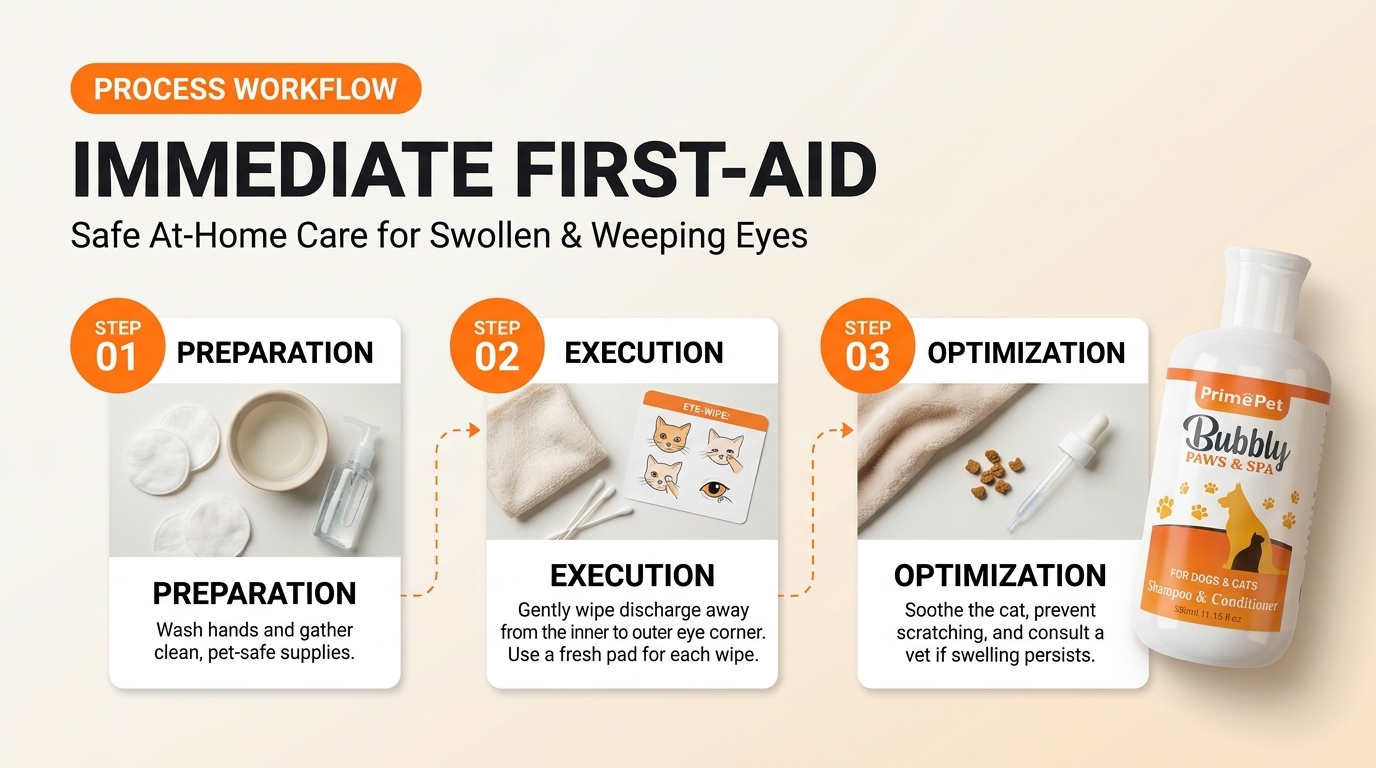
Seeing your cat pawing frantically at a puffy, red, tear-streaked face causes instant panic. You immediately want to know: why is my cat eye watery and swollen, and how can I fix it right now? While only a veterinarian can run stain tests to spot microscopic abrasions, the actions you take over the next two hours can prevent permanent tissue damage or blindness.
Your goal during an ocular flare-up is stabilization, not self-diagnosis. You must soothe the surface, clear away crust, and stop your pet from ripping the delicate outer layers of their eyeball with razor-sharp claws.
Triage at Home: Why Is My Cat Eye Watery and Swollen All of a Sudden?
Ocular pain triggers rapid reflexes. Cats will rub their faces across rough carpets, scratch at their eyelids with hind claws, or batter their heads against furniture to relieve burning sensations. You must intervene before this panic response turns a simple case of conjunctivitis into a deep corneal tear.
Follow these safe, veterinarian-approved first-aid steps before your clinical appointment:
- Rinse away debris with plain sterile saline: Pick up an over-the-counter sterile saline eye flush (0.9% sodium chloride) from a pharmacy. Check the label carefully. It must contain only purified water and salt. Never use contact lens disinfecting solutions, which contain harsh enzymes that burn feline eyes. Tilt your cat's head gently upward, approach from behind so they don't see the bottle coming, and squeeze a generous flow across the eye surface. Think of this flush as artificial tears rinsing out sand; it floats away stubborn discharge and dust without friction.
- Clean crusted discharge around the margins: Soak a clean, lint-free gauze pad with lukewarm saline. Wipe gently from the inner corner near the nose outward toward the ear. Never wipe directly across the clear cornea. Use a fresh pad for each eye so you don't transfer infectious bacteria or viruses from one side to the other.
- Fasten an Elizabethan collar immediately: Put a plastic or firm fabric cone on your cat right away. Most severe eye injuries aren't caused by the initial irritant; they happen when a cat scratches an itchy eyelid and accidentally drives a dewclaw into the eyeball. If you do not have a cone, keep your cat confined in a dim, quiet room and supervise them closely.
Critical Warning: Never give your cat leftover eye drops from another pet, old prescriptions, or human over-the-counter allergy drops. If your cat has a hidden corneal scratch, administering drops containing steroids (such as dexamethasone, hydrocortisone, or prednisolone) can cause a "melting ulcer." Steroids paralyze the eye's natural healing defenses and activate enzymes that dissolve the eye wall, potentially rupturing the globe within 24 to 48 hours.
Safe At-Home Support vs. Harmful Home Remedies
Well-meaning pet owners often reach for pantry staples when eye trouble strikes. Some remedies circulate widely online despite being outright dangerous to feline eyes.
| Safe First-Aid Action | Dangerous Common Mistake | Why It Matters |
|---|---|---|
| Sterile 0.9% saline wash | Brewed tea bags or milk drops | Herbal teas and dairy introduce foreign plant matter, bacteria, and microscopic tannins that worsen swelling. |
| Fitted plastic cone (E-collar) | Leaving the face unprotected | Cats can scratch their own corneas open within seconds of being left unattended. |
| Damp, warm compress against outer lids | Probing inside lids with cotton swabs | Dry cotton fibers strip the tear film and can scrape delicate conjunctival membranes. |
Facial Hygiene and Protecting the Surrounding Fur
Excessive weeping leaves behind sticky tracks that irritate the skin around the nose and cheeks. Bacteria thrive in this damp fur, creating a secondary skin rash known as moist dermatitis.
Keep the coat around the face clean and free from dried crust. When giving full baths to manage underlying dander or environmental allergies, choose a gentle, balanced formula like PrimePet Pa & SPA Shampoo (Cat and dogs) 330ml (PKR 600). Packed with nourishing buttermilk and shea butter, this tear-free cleanser cleans deeply while moisturizing sensitive skin. It leaves coats soft and fluffy without exposing your pet to harsh artificial fragrances that trigger stinging tear ducts.
When washing near the head, lather the chest and neck first. Use a damp cloth lathered with a pea-sized drop of shampoo to clean around the cheeks, chin, and forehead. Avoid the immediate eye zone entirely. Rinse thoroughly with warm water, pat dry with a microfiber towel, and ensure no moisture remains trapped in facial folds.
Once your cat is calm, clean, and wearing an E-collar, call your local clinic. First aid buy you precious hours, but medical stains, antibiotic ointments, or antiviral therapies chosen specifically for feline eyes remain essential to protect your cat's lifelong vision.
Clinical Treatment Protocols: Prescribed Eye Drops, Ointments, and Therapies
When an owner asks a veterinarian, "why is my cat eye watery and swollen?", the medical response rarely involves a one-size-fits-all remedy. Swelling of the pink conjunctive tissue and excessive tearing stem from distinct sources, ranging from bacterial flare-ups to deep corneal scratches. Prescribing the wrong medication can permanently blind an animal. A clinic's primary job is isolating the trigger and matching it with targeted topical or oral pharmaceuticals.
| Medication Class | Common Active Agents | Clinical Purpose |
|---|---|---|
| Topical Antibiotics | Oxytetracycline, Polymyxin B, Tobramycin | Eliminates secondary bacteria like Chlamydia felis and Mycoplasma. |
| Ocular Antivirals | Cidofovir, Idoxuridine, Trifluridine | Stops viral replication on the ocular surface during herpesvirus flares. |
| Systemic Antivirals | Famciclovir | Suppresses widespread viral loads in chronic upper respiratory flare-ups. |
| Ciliary Spasmolytics | Atropine Sulfate (1%) | Dilates the pupil to ease agonizing internal muscle spasms caused by ulcers. |
Prescription Protocols: Why Is My Cat Eye Watery and Swollen?
Topical antibiotics remain the first line of defense against feline conjunctivitis. Formulations like Terramycin (oxytetracycline and polymyxin B) or tobramycin drops clear out bacterial colonies within days. Ointments work like a clear, soothing protective shield across the eye. They stay on the corneal surface longer than liquid drops, meaning you administer them less often. Drops, however, cause less blurriness and feel easier to apply if your cat wriggles during handling.
Never share leftover medications between pets without a doctor's approval. A common pitfall occurs when owners use leftover dog drops containing corticosteroids like dexamethasone or hydrocortisone. If your cat has an unseen scratch on the cornea, a steroid stops the eye's natural healing system. The clear surface breaks down, melting the cornea into a deep perforation within forty-eight hours.
Feline Herpesvirus-1 (FHV-1) causes up to 90% of chronic ocular conditions in cats. Antibiotics cannot kill a virus, so veterinarians prescribe targeted antivirals for stubborn, recurring bouts. Compounded topical cidofovir drops applied twice daily offer proven relief by halting viral DNA growth. For severe bilateral swelling accompanied by nasal congestion and lethargy, oral feline herpesvirus famciclovir protocols provide whole-body suppression, allowing inflamed tissues to settle down.
"Eye pain in felines is intense and dulls their appetite quickly. When the inner eye spasms from surface trauma, dilating the pupil with therapeutic drops relieves the throb just like setting a broken bone eases a limb."
Pain management transforms recovery. When a cat squints hard, the third eyelid elevates and the ciliary muscle inside the eye tightens painfully. Vets often prescribe ophthalmic atropine sulfate ointment to paralyze that muscle temporarily. Don't panic if your cat foams at the mouth after an atropine dose. The drop drains through the tear duct into the back of the throat, and the taste is extremely bitter. For overall relief, veterinarians routinely send home oral buprenorphine, an effective pain reliever cats absorb through their gums without stomach upset.
Medical treatment works best when paired with careful facial hygiene. Thick, dried ocular discharge glues the eyelids together, sealing harmful bacteria against the cornea. Before applying prescription drops, you must clean away this crust with a warm, damp cloth. When overall facial hygiene and coat cleanliness need a reset, wash your pet with a gentle, non-irritating cleanser. PrimePet Pa & SPA Shampoo (Cat and dogs) 330ml, available directly for PKR 600, provides a balanced option. Its tear-free formula contains buttermilk and shea butter, helping moisturize sensitive skin around the head and cheeks without harsh detergents that could trigger further ocular redness.
Many pet owners ask whether prescription eye therapies are worth the clinical visit compared to cheap over-the-counter saline washes. Over-the-counter washes only rinse away dirt. They cannot stop a multiplying bacterial colony or stop viral cell division. Treating an uncomplicated infection early with a proper prescription saves you from costly surgical grafts or eye removals later on.
Preventing Eye Irritation Through Facial Hygiene and Gentle Bathing
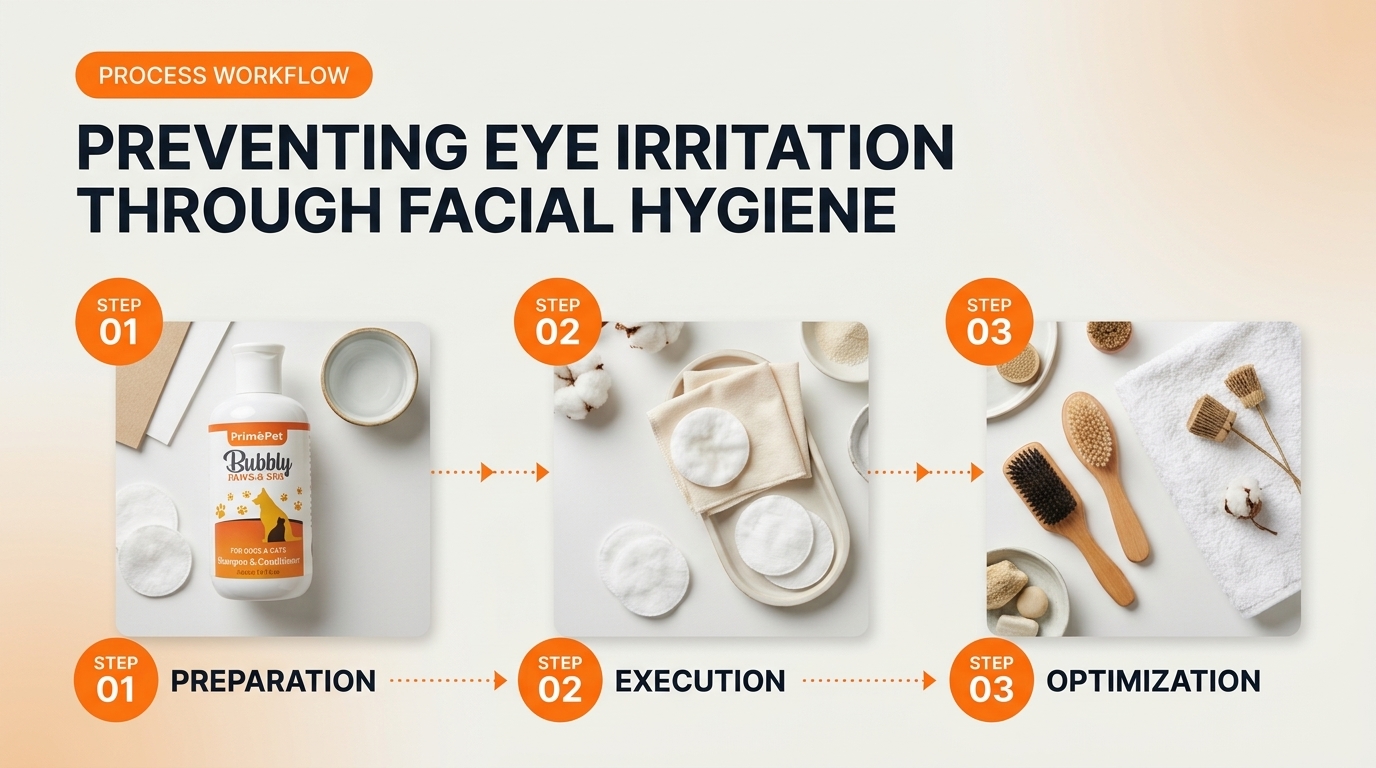
Tears keep a cat's eyes lubricated and clean. When that clear fluid turns into excessive weeping alongside puffy lids, daily hygiene is often your front line of defense. Cats spend hours licking their paws and rubbing their faces. Even so, fine clay litter dust, food debris, and dried crust routinely get trapped in the tiny crevices around their eyelids and muzzle. That debris invites bacteria. When pet owners ask, "why is my cat eye watery and swollen," they often overlook how easily dirty facial fur and airborne irritants trigger painful flare-ups.
How Proper Cleaning Tackles Why Is My Cat Eye Watery and Swollen
Preventative care starts with stopping physical irritants before they scratch the cornea. The skin around feline eyes is paper-thin. A stray speck of dust or a crusty clump of fur can rub against the eyeball every time your cat blinks. Over a few days, that friction causes swelling and constant tearing.
| Daily Practice | Safe Technique | Unsafe Habit |
|---|---|---|
| Crust Removal | Softening with a damp, warm cotton pad | Picking dry scabs off with bare fingernails |
| Face Washing | Moist washcloth with tear-free pet wash | Pouring rinse water directly over the forehead |
| Sanitizing | Sterile saline or cooled boiled water | Scented wet wipes or human baby wipes |
Never spray water directly at your cat's face during bath time. Splashing water panics the animal and forces dirty runoff straight into their eyes. That soapy runoff strips the eye's natural tear film, causing chemical conjunctivitis. Instead, wash their body first, then use a wrung-out washcloth for the cheeks, forehead, and chin.
Choosing the right formula makes all the difference during grooming. We recommend using PrimePet Pa & SPA Shampoo (Cat and dogs) 330ml, available directly from our collection for PKR 600. It uses a soothing buttermilk and shea butter blend to soften stubborn grime while restoring moisture to sensitive skin. Most importantly, its gentle tear-free design protects your pet from painful burning if minor lather drifts near the eye area. It cleanses deeply while moisturizing, leaving the coat soft, fluffy, and completely free of harsh residues that cause ocular redness.
"Never pull or pick at hardened eye discharge. Hold a warm, damp cloth against the crust for thirty seconds to loosen it first. Tearing dry crust pulls out delicate facial hair and breaks the skin, giving bacteria an open doorway."
Dust mitigation in the home plays an equally vital role. Silica and clay litter produce clouds of fine powder whenever your cat digs. Swap to low-dust alternatives like paper pellets, walnut shells, or wood pellets if your cat shows recurring eye puffiness. Pair this change with weekly wipe-downs of their favorite sleeping spots to keep loose dander and environmental pollen away from their face.
- One pad per eye: Always grab a clean cotton round when moving to the opposite eye so you do not spread hidden infections.
- Wipe outward: Glide the pad gently from the inner corner near the nose toward the ear.
- Dry thoroughly: Pat damp fur dry with a soft towel to prevent fungal growth in warm facial folds.
Taking five minutes each week to clear away facial buildup keeps the eyelid margins calm and healthy. It stops minor irritations from snowballing into severe swelling, saving your cat unnecessary discomfort and saving you stressful trips to the clinic.
Protecting Your Cat’s Vision: When to Seek Immediate Emergency Veterinary Care
Eye troubles move fast. What begins as a slight morning squint can snowball into a dangerous corneal rupture by nightfall. When you ask yourself why is my cat eye watery and swollen, you must decide whether to monitor the issue for a few hours or rush to an emergency veterinary clinic. Waiting it out is rarely worth the risk of permanent blindness.
Critical Red Flags: Why Is My Cat Eye Watery and Swollen Beyond Mild Irritation?
Most mild conjunctivitis cases develop slowly, but certain clinical warning signs indicate your cat’s eye is in direct danger. If you observe any of the following symptoms, stop all home care and seek immediate veterinary attention:
- Corneal Cloudiness or Hazing: The clear front window of the eye looks milky, blue, or frosted like bathroom glass. This fogginess signals fluid buildup inside the cornea, often caused by a deep scratch, severe infection, or sudden spike in intraocular pressure.
- Unequal Pupil Sizes (Anisocoria): One pupil is pinpoint small while the other is wide open. This stark contrast points toward internal inflammation, blunt trauma, or neurological distress.
- Visible Third Eyelid: If the haw—the pale inner membrane at the corner of the eye—stays pulled halfway across the eyeball, your pet is experiencing acute ocular pain or systemic illness.
- Extreme Photophobia: Your cat hides under dark furniture, cowers from ambient daylight, or squeals when you turn on a living room lamp. Photophobia proves the internal structures of the eye are spasming.
- Bulging or Sunken Eyeball: Any physical change in the globe's position demands immediate hands-on care. A bulging eye often indicates retrobulbar abscesses or acute glaucoma, while a shrunken eye signals deep internal collapse.
- Thick, Discolored Discharge: Sticky yellow, green, or blood-tinged discharge crusting the lids shut means bacteria have taken hold behind the swollen tissue.
Rule of thumb: Never administer leftover prescription eye drops or human medications to your cat. Steroid-based ointments placed onto an undiagnosed scratch can dissolve the feline cornea within forty-eight hours.
Protecting long-term vision also depends on regular facial hygiene. Dirt, shed fur, and environmental dust build up around the tear ducts, inviting opportunistic bacteria to flourish. When bathing your feline friend, use a formula that respects fragile facial skin without introducing irritating fumes or harsh lathering agents.
A gentle option is PrimePet Pa & SPA Shampoo (Cat and dogs) 330ml, available directly for PKR 600. Its tear-free blend combines buttermilk and shea butter to moisturize the coat and lift away facial grime. It leaves the fur around the cheeks and brow soft and fluffy without burning delicate eye tissues.
Trust your instincts when evaluating eye problems. Felines mask physical pain out of natural survival instinct. If your pet paws relentlessly at their face, squints persistently, or displays obvious cloudy changes in their eye, bypass online forums and let an emergency veterinarian inspect the damage. Quick action preserves your cat's sight for years to come.
Dr. Attaur Rehman (DVM)
Certified Veterinary Surgeon and Founder of Prime Pet Pakistan. Lab-formulated treatments and authentic clinical care for dogs and cats.